Smooth green gradient background transitioning from light to dark shades.
Our Impact

Real Stories. Lasting Impact.

Every learner has a unique journey. Discover inspiring stories from students, mentors, and alumni who have gained new skills, unlocked opportunities, and transformed their futures through Future Minds.

Our Impact

We've spent almost a decade putting young people in front of industry. We're youth-founded and youth-led, and our programs are mapped to the curriculum, run in regional towns, low-income suburbs and multicultural communities across Australia and the Asia Pacific.

15,000+
Learners Empowered

Supporting students and professionals on their journey to growth and success.
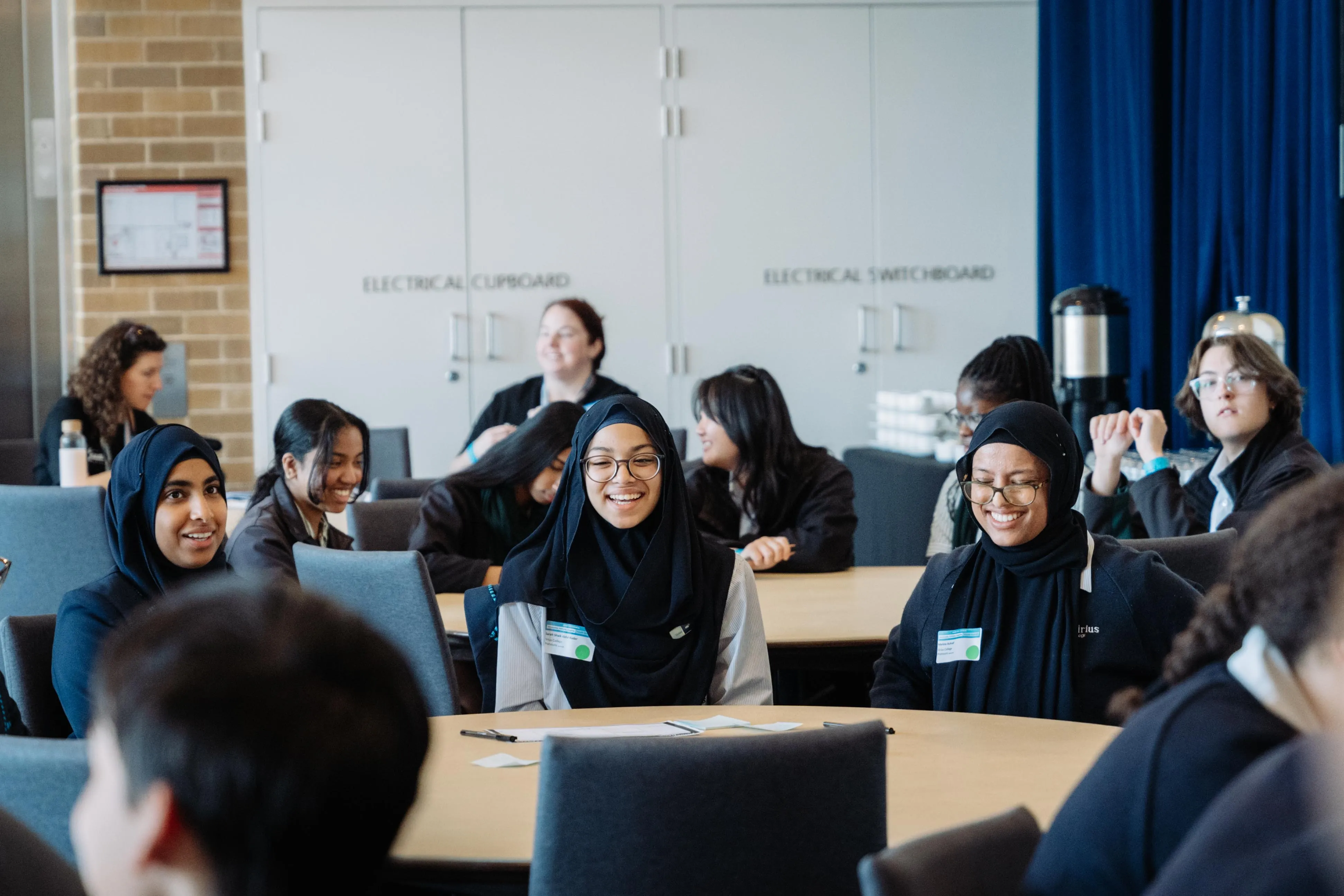
Group of young people sitting around a table, some wearing hijabs, smiling and engaging in conversation.
15,000+
young people

have learned to innovate, build and launch their ideas.

Group presentation and discussion
100+
programs delivered

giving students practical, future-focused learning from day one.

Group presentation and discussion
50+
industry mentors

including experienced angel investors, founders and operators who guide them through the journey.

Group presentation and discussion
30+
trusted partners

backing us to create high-energy learning opportunities for young people.

Group presentation and discussion
 25+
Trusted Partners

Collaborating with institutions and organizations to expand learning opportunities.
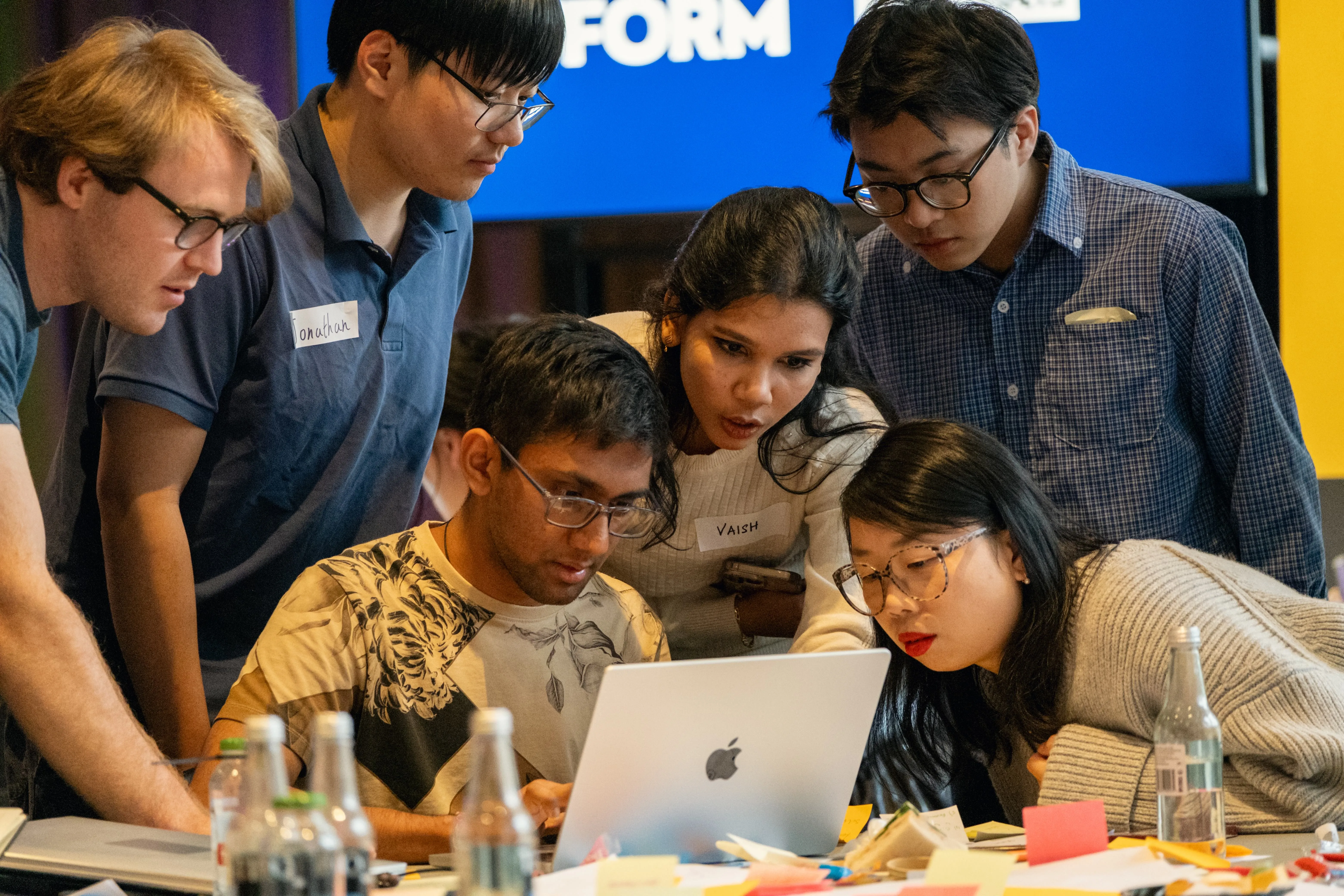
Six diverse young adults focused on a laptop screen, collaborating at a cluttered table with bottles and notes.
 25+
Trusted Partners

Collaborating with institutions and organizations to expand learning opportunities.
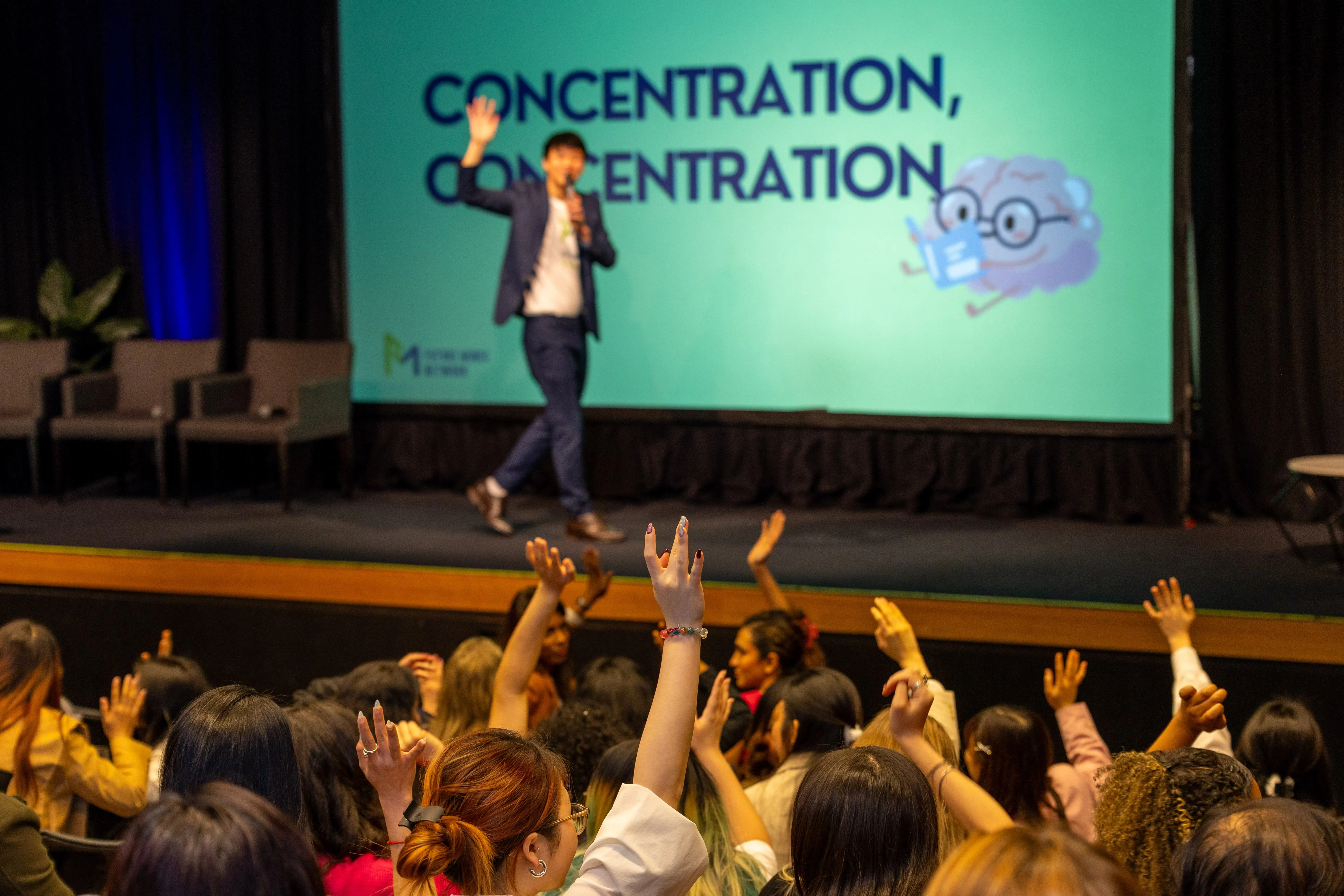
Audience with raised hands facing speaker on stage in front of screen reading 'Concentration, Concentration'.
10+
marginalised communities reached

including the regional and remote communities who rarely get access to opportunities like this.

Group presentation and discussion
95%
learner satisfaction

delivering learning experiences that inspire confidence and growth.

Group presentation and discussion

Our communities

We believe every young person deserves the chance to build, wherever they're from.
That's why we work in regional, remote and low-income communities most programs never reach. Tap a region to see if we’re near you!

Map of Australia
Thank you! Your submission has been received!
Oops! Something went wrong while submitting the form.
Higher need
Below average
Metro hub
Perth
Western Australia
10
schools and institutions
Major City
City Remoteness classification
1040
SEIFA score, compared to national average 1,000

Perth's average conceals a wide gap between its river suburbs and its outer corridors. We work in the corridors, where the pathway out is least visible.

Adelaide
South Australia
10
schools and institutions
Major City
City Remoteness classification
1002
SEIFA score, compared to national average 1,000

Adelaide's north — Playford, Salisbury, Elizabeth — carries some of the country's deepest disadvantage, averaged into a city that reads as comfortable. We work in the north.

Toowoomba
Queensland
5
schools and institutions
Inner Regional
City Remoteness classification
989
SEIFA score, compared to national average 1,000

Toowoomba sits below the national average, and further still from the pathways young people in the capitals take for granted. Distance shouldn't decide ambition.

Goondiwindi
Queensland
5
schools and institutions
Outer Regional
City Remoteness classification
969
SEIFA score, compared to national average 1,000

The Darling Downs and South West scores 969, thirty-one points below average. The nearest university is hours away. Most young people have never met a founder.

Gold Coast
Queensland
10
schools and institutions
Major City
City Remoteness classification
1018
SEIFA score, compared to national average 1,000

Behind one score sit Labrador, Coombabah and Southport — well below the city they're averaged into. Talent is spread evenly here. Opportunity isn't.

Geelong
Victoria
10
schools and institutions
Inner Regional
City Remoteness classification
1007
SEIFA score, compared to national average 1,000

Geelong scores 1,007. But Norlane, Corio and Whittington are among Victoria's most under-resourced communities, and in parts of Corio half of young people aren't in work or study.

Melbourne
Victoria
30
schools and institutions
Major City
City Remoteness classification
1017
SEIFA score, compared to national average 1,000

One of Australia's most advantaged cities — an average that hides Broadmeadows, Dandenong and the western corridor. We work where it doesn't reach.

Brisbane
Queensland
10
schools and institutions
Major City
City Remoteness classification
1045
SEIFA score, compared to national average 1,000

Brisbane's average is carried by its inner suburbs. We work in the outer north and south, where university and business aren't an obvious next step.

Sydney
New South Wales
10
schools and institutions
Major City
City Remoteness classification
1031
SEIFA score, compared to national average 1,000

Sydney has the widest gap between rich and poor of any Australian capital. We work at the end where a postcode still decides a starting line.

Newcastle
New South Wales
15
schools and institutions
Major City
City Remoteness classification
1012
SEIFA score, compared to national average 1,000

Newcastle scores 1,012 — fine on paper. That average is built from suburbs decades apart in opportunity. We work in the ones it lifts up rather than describes.

Sunshine Coast
Queensland
10
schools and institutions
Major City
City Remoteness classification
1022
SEIFA score, compared to national average 1,000

The Sunshine Coast scores 1,022, carried by its coastal north. Inland, fewer young people see university or entrepreneurship as available to them. That's where we work.

ACCOUNTABILITY

Impact reports

Every year since 2021, audited and published in full including the programs that didn't work.

QUESTION 1 OF 3

First up, who's asking?

QUESTION 2 OF 3

What are you after?

QUESTION 3 OF 3

How much time have you got?

QUESTION 3 OF 3

How much time have you got?

QUESTION 3 OF 3

How much time have you got?

QUESTION 3 OF 3

How much time have you got?

Start with a Summit

The Innovation Summit is a one-day event that brings students from different schools together to work on a real problem. Most people start here, because it takes a single day and helps you deep dive into the world of innovation and entrepreneurship.

FutureHack is built for this

FutureHack is a six-week program where teams build and launch a real venture, then pitch it to real industry. Most people arrive with a rough idea and leave with a business, a pitch, and proof they can do it again.

Young Artists Centre

Young Artists Centre is an immersive, extracurricular retail program where you learn to price, sell and scale the things you make. Most people arrive thinking their work is a hobby and leave running a small business.

Let's have a conversation

Whether you're looking at joining a cohort, running something with your team, or exploring a longer partnership, the honest next step is a chat. We’d love to learn what you’re looking for.

Thank you! Your submission has been received!
Oops! Something went wrong while submitting the form.
Hello! Have any questions?