Recognizing educators who are transforming learning through innovative teaching approaches, creative thinking, and a commitment to student success.
Meet the outstanding educators recognized in this category for their dedication, innovation, and impact on the future of education.

As a COP30 delegate for the Future Leaders Network, I have consistently championed the inclusion of young people in climate negotiations, with a particular emphasis on gender equality and social justice. My academic journey, which includes an MA in Global Public Policy at the University of Birmingham, supported by both the Birmingham Masters Scholarship and the University Graduate School Scholarship, has provided me with a great understanding of EU and UK social policy, international relations, and public policy analysis. My undergraduate studies at Aston University, where I graduated with First Class Honours in History and International Relations and received the School Award in History, further strengthened my research and analytical skills, especially in the areas of international policy and social change.
Professionally, I have focused on amplifying youth voices in decision-making processes. As an External Relations Assistant at ThinkYoung, a Belgian NGO, I played a pivotal role in developing youth policy recommendations for the European Parliament and contributed to EU-funded projects such as the Active Citizenship initiative. One of my most impactful experiences was collaborating with the ThinkYoung team in Nairobi to deliver the ThinkYoung Coding Summer School. This initiative engaged 55 students, all of whom went on to enrol in STEM extracurricular activities following the programme. By equipping these young people with digital skills and confidence, we created a pathway for their continued engagement in technology and innovation, demonstrating the tangible, long-term impact of targeted youth empowerment.
Across my work, I have directly engaged more than 1,200 young people from 15 countries, including marginalised and underrepresented groups, through focus groups, workshops, and digital platforms. These efforts have provided young people with the skills, knowledge, and networks needed to participate meaningfully in climate and social policy debates. My experience as an Environmental Policy Intern at International Environmental Law Consulting and as a Climate Change and Energy Intern at the Environment Agency has further developed my expertise in environmental policy, sustainability, and advocacy, allowing me to contribute to research and strategic planning on issues such as the UN Sustainable Development Goals and carbon reduction technologies.
My commitment to advancing gender equality and social justice is also reflected in my academic publications. Notably, I authored a paper titled “A Comparative Analysis of the Policy Responses to Honour Killings in the UK and Sweden”, published in the Journal of Intersectional Social Justice. This work critically examines how policy can address deeply rooted gender-based violence, bringing attention to the intersection of cultural, legal, and social factors in shaping effective responses.
In addition, I wrote “A Critical Analysis of the Impact of Climate Emergency in Africa on Pregnant Women’s Sexual and Reproductive Health”, published in The Graduate Inequality Review. This paper explores the intersection of climate change, health, and gender, highlighting how climate emergencies disproportionately affect vulnerable populations and underscoring the urgent need for inclusive, intersectional policy solutions.
In summary, my analytical mindset, practical experience, and dedication to building inclusive, youth-led movements make me an ideal candidate for the Future Minds Under 35 list. This recognition would not only validate my efforts but also help inspire and empower the next generation of young leaders to drive equitable and sustainable change in their communities and beyond.
Headline Impact
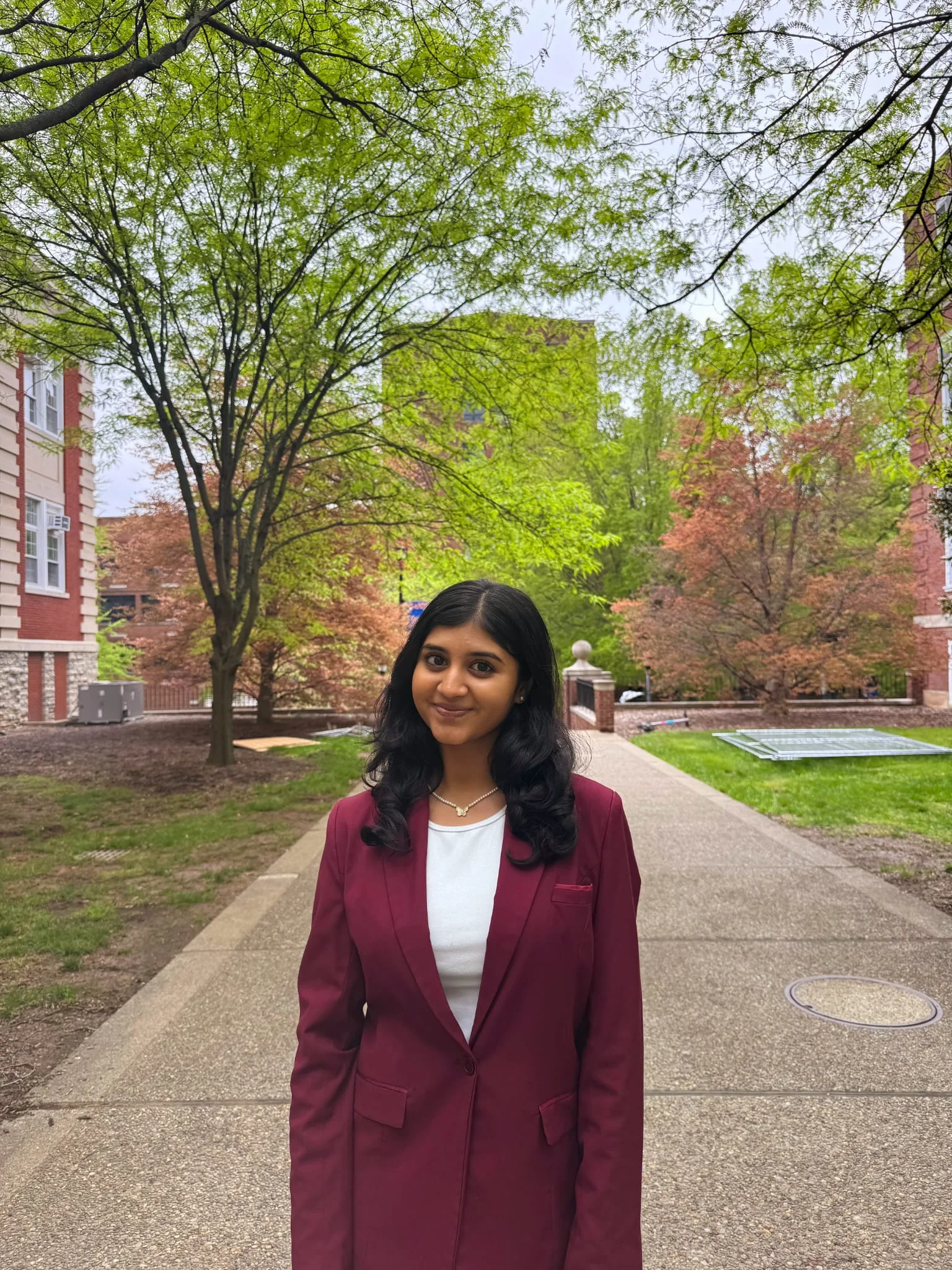
Sahana belongs on the Future Minds Under 35 list for her exceptional leadership in education, public health, and advocacy outreach. At just 13 years old, Sahana initiated the Young Learners Foundation, a youth-led nonprofit organization advancing children's literacy internationally. As Executive Director, she has donated over 4,200 books to children across four continents, directly impacting 2,000+ youth and saving $40,000 for underserved communities. She leads an executive board of 13 youth who conduct book drives and develop literacy resources to support the Foundation’s programs.
Her work has specifically targeted regions historically affected by low literacy rates, including Corpus Christi (Texas), Stockton (California), and Sedalia (Missouri). She has partnered with 30+ local and international organizations, impacting countries such as India, Trinidad & Tobago, Nigeria, and Kenya. Sahana has received global recognition for her work—honored with a letter of commendation from Biche Secondary School in Trinidad & Tobago and appointed as a Global Literacy Champion by the African Library Project. She is a Congressional Gold Medal Honoree (Congress' highest honor for American youth), having dedicated 600+ hours to literacy service over the span of two years. She is also a 2022 Scripps National Spelling Bee Finalist (Top 10 in the USA), a Contribution Project Awardee, and a Hershey's Heartwarming Action Grant Recipient.
Sahana additionally serves as Deputy Director of Equality in Forensics, a nonprofit dedicated to closing resource gaps in Speech & Debate. Leading the Extemporaneous Speaking Coaching Program, she helped create a year-long, free mentorship initiative for approximately 135 youth across the U.S., saving $20,000 in educational expenses for debaters nationwide. Sahana is ranked as a Top 10 Extemporaneous Speaker in the USA, a 7X National Finalist, a 6X National Semifinalist, and an Academic All-American with the National Speech & Debate Association.
Furthermore, Sahana is a recipient of the Carson Scholarship, a $1,000 recognition for her leadership, academic excellence, and dedication to public service. She is a 4X Elected Class Officer for the 12th grade at Mason High School, where she oversees leadership programs and outreach service projects for 1,000+ students. She directed an annual leadership workshop with over 180 attendees across her district and contributed to fundraisers that raised over $15,000 to support underfunded clubs and organizations in Mason, Ohio. Sahana has been recognized by her school’s faculty with the Humanitarian Award, an invitation to the Board of Educators Meeting, and the opportunity to speak at the Opening Day Ceremony of Mason High School.
Additionally, Sahana is a trailblazing youth leader redefining the intersection of health policy, public service, and youth education on a global scale. As a Health Policy Advocate and State Campaign Captain with Harvard’s STRIPED program, she has met with over 50 legislators nationwide to advocate for legislation preventing youth eating disorder onset in the U.S. She has worked with various teams to advance legislation in 10+ states and co-led a voter outreach initiative empowering 200+ individuals from underrepresented communities in Alabama to engage in civics and democracy. Her efforts were recognized with a $900 honorarium by Harvard faculty and researchers, and she was selected as 1 of 10 out of 200 STRIPED members to join the STRIPED Youth Advisory Board for long-term health policy research. Her advocacy reflects a rare blend of technical acumen and civic purpose, and she consistently demonstrates resilience in pushing for healthcare equity through policy.
Sahana’s interdisciplinary passions make her not just a future mind—but a current force of transformation. Her record in service, bridging financial disparities, and uplifting underrepresented communities demonstrates the depth of leadership, impact, and vision that defines the Future Minds Under 35 list.
Headline Impact
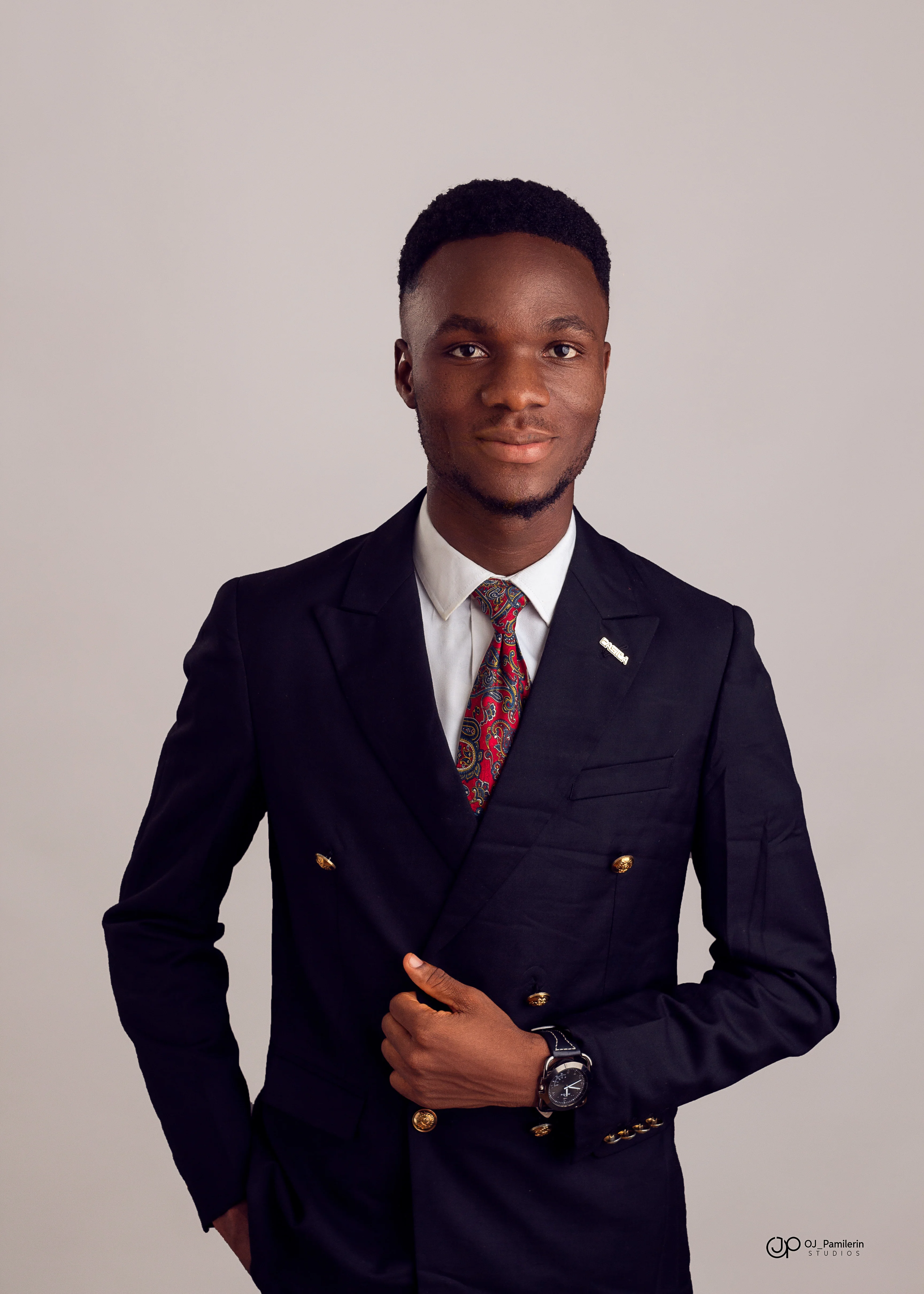
Growing up in Iseyin, an underserved community in Nigeria, I became aware of the challenges faced by the youth in my country. Research revealed that 13.8% of Nigeria's youth population were not in education, employment, or training (NEET), leaving many vulnerable to unemployment and underemployment despite earning degrees. I delved deeper, engaging human resource professionals to understand the root causes, and discovered gaps in Nigerian higher education curricula. These deficits left students ill-equipped with the skills, knowledge, and networks essential for the future of work. Motivated to bridge this gap, I organized my first mentorship program in May 2021, connecting 1,276 students and young professionals from over 50 Nigerian higher institutions with industry experts. During an 8-month industrial strike in public universities across Nigeria, I further expanded my impact by hosting an in person 7-day leadership and public speaking training for 75 students at my university. These experiences culminated in the creation of The Leverage Project, a non-profit initiative aimed at reducing employment inequalities among young people in Nigeria. Since its inception, the initiative has supported over 1,270 beneficiaries through mentorship, training, and resources, enabling more than 150 individuals to secure jobs, internships, and global opportunities.
Among my other initiatives are The Exemplars Magazine, a compendium of inspiring stories from global changemakers with over 1,864 readers across 15 countries, and The Innovation Workshop, which equips young changemakers to address social problems using design-thinking. Despite limited funding and the demands of medical school, I have facilitated more than 75 workshops, raised and managed over $5,000, partnered with 35 organizations, and inspired transformative action in underserved communities. My efforts have earned significant recognition, including The Diana Award in 2024, the highest honor for young people making social impact, supported by HRH The Prince of Wales and Prince Harry, The Duke of Sussex. I am the first and only medical student in my institution to receive this award, accompanied by a congratulatory letter from the Prince of Wales. My work has also been featured in The Nation Newspaper, Nigerian Tribune, The Vanguard, and The Guardian.
I have served as a 2021 United Nations Academic Impact and Millennium Fellow, doubling as Campus Director, and as an Associate at the Nigeria Youth SDGs Network. As Co-licensee of TEDxLAUTECH, I have successfully co-organized two TEDx events and served as Director of Fundraising and Partnerships. This event is the first and only TEDx event in my school, and just last year, I was opportune to attend a sponsored global TEDx event that happened in Nigeria. The 3-day event brought together other TEDx organizers from all over the world including the United States, South Africa, Belgium, The United Kingdom and others. My contributions to leadership and youth development earned me recognition as one of the Top 10 Undergraduate Students in Africa by Ubuntu Magazine and the first medical student in my school to receive the Voluntary Leadership Award from Junior Chambers International (JCI).
Headline Impact
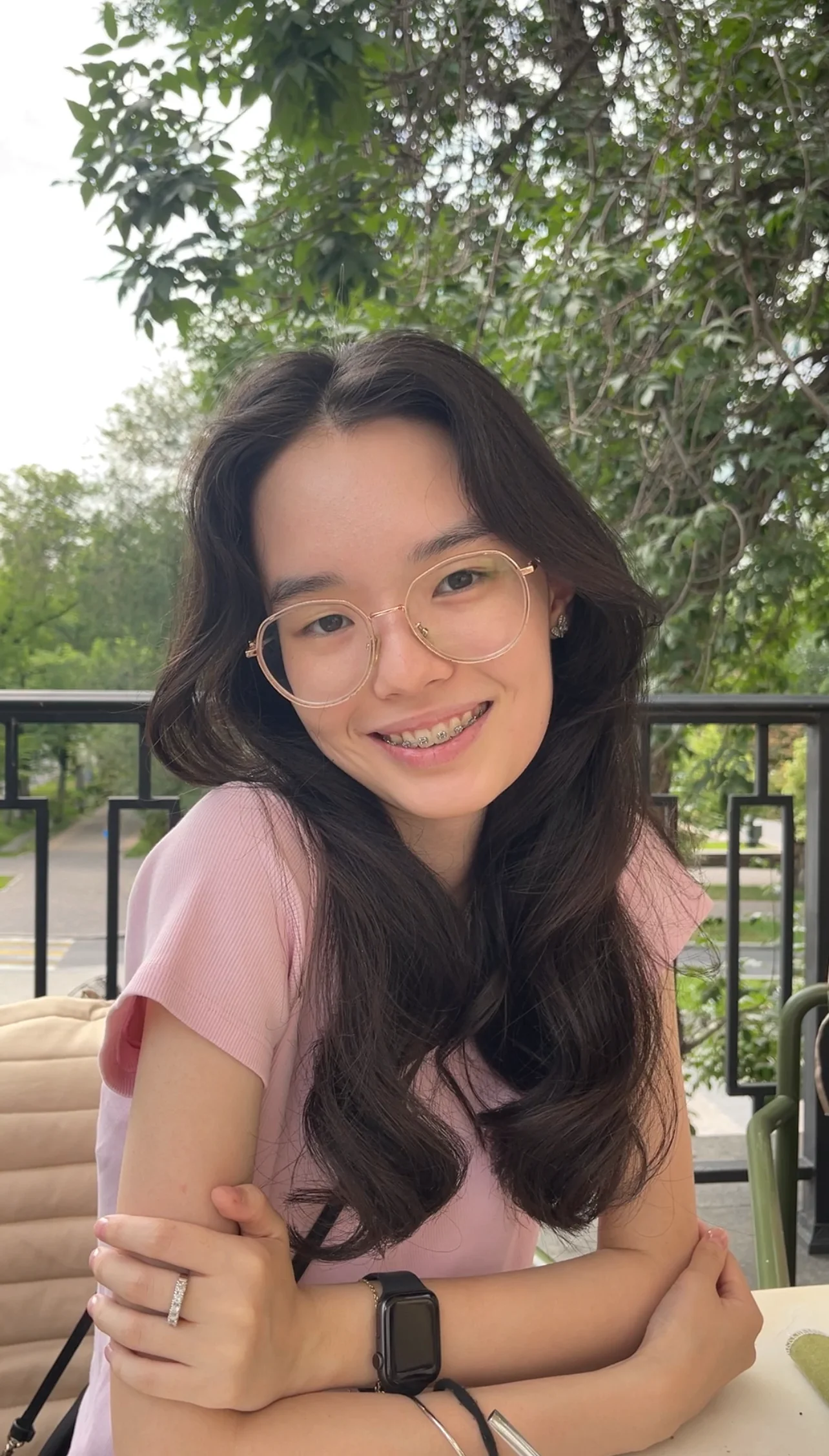
In much of Central Asia, Olympiad math has long been the guarded domain of elite boys from capital cities — silent classrooms where girls often sit at the back, if at all. I used to be one of them, watching from the sidelines, too curious to quit and too invisible to be called on. That memory became the seed of something much larger.
At 17, I decided to change the equation — literally. I wrote and self-published an open-source EGMO (European Girls’ Mathematical Olympiad) preparation book tailored specifically for girls like me: young, ambitious, often self-taught, and too frequently underestimated. It wasn’t just a problem-solving manual. It was a declaration: you belong here.
The book reached over 120 girls in Kazakhstan, Uzbekistan, and Kyrgyzstan — many from rural towns where Olympiad resources were scarce, and math confidence even scarcer. Designed with empathy and strategy, the book broke down abstract problems with intuitive visuals, offered guided solutions, and embedded mentorship through a chapter called “Girls Who Solve” — where I interviewed former EGMO medalists from Central Asia. Their stories showed that math wasn’t a closed-door system. It was a ladder — and someone just needed to build the first rung.
But I didn’t stop there. I hosted biweekly workshops and launched a Telegram support community, which soon grew to over 500 students. We solved problems together at 10 p.m., we cried over inequalities, and we celebrated breakthroughs like they were gold medals. Many of these girls had never attended a math circle, let alone had a female mentor. Now, they were surrounded by a sisterhood of solvers.
With $1,200 in funding — part from a Women in STEM microgrant, part from community donations — I printed physical books for girls without digital access, covered internet stipends for students in villages, and built a digital archive of lecture recordings.
The results? Five girls qualified for national EGMO training camps. Two were selected to represent their countries at EGMO 2025 — one from a single-parent household in Shymkent who told me: “I never thought girls like me belonged in math olympiads. Your book didn’t just teach me math — it taught me to be brave.”
But perhaps the most powerful transformation was invisible: self-doubt turned into self-belief. For every proof they mastered, there was a deeper theorem unfolding — that they mattered.
In the end, this wasn’t about math. It was about rewriting a future where girls in Central Asia stop asking, “Can I solve this?” and start saying, “Watch me.”
Headline Impact
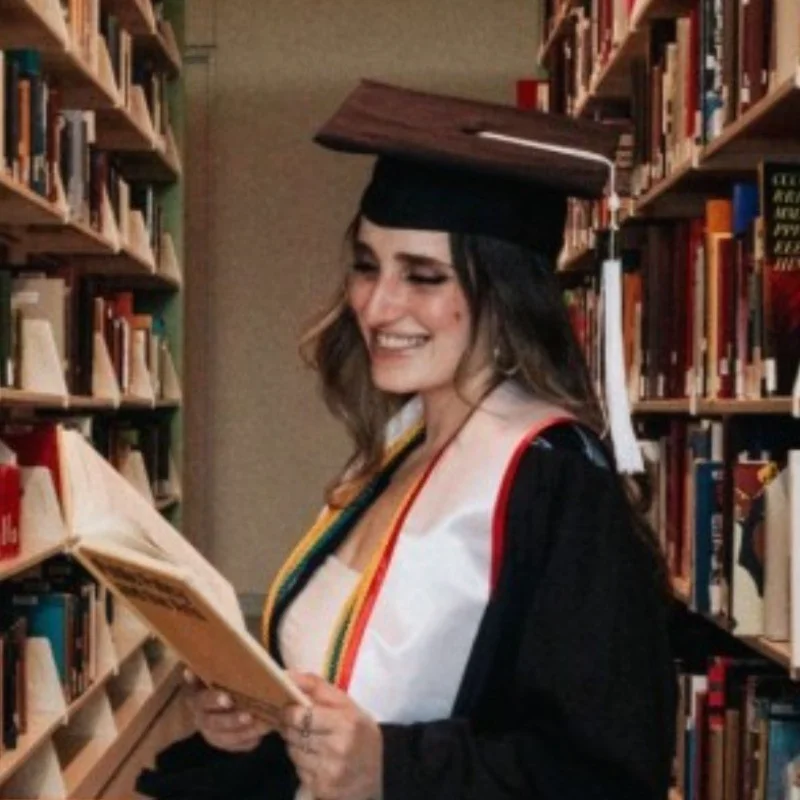
I’m honored to be considered for the Future Minds Under 35 list. For nearly a decade, I’ve been working to prevent sexual violence and improve systems of support for survivors—work that began after I shared my own story publicly in middle school and continued through college, where I focused on turning personal experience into collective change.
At Temple University, I founded Student Activists Against Sexual Assault (SAASA), which grew to over 500 members in just two years. We worked to make prevention more visible and resources more accessible—offering peer-led training, partnering with administrators, and pushing for policy reform. One of the initiatives I led resulted in securing $350,000 in free Uber rides for students in vulnerable situations. I also raised $20,000 in grant funding to support campus prevention efforts and developed centralized digital resources so survivors could more easily find help.
Beyond campus, I’ve worked to co-author and introduce survivor-centered legislation as Pennsylvania State Director for the Every Voice Coalition, where I helped secure primary sponsorship for a bill that would require campus climate surveys, confidential resource advisors, and amnesty protections for students reporting harm. I’ve spoken to hundreds of students and advocates across the country and have been grateful to facilitate training and strategy sessions across multiple states at conferences, including keynoting the PA Department of Education's It's On Us Convening.
I spend my free time volunteering with other anti-sexual violence organizations, like Our Wave, No More, and Callisto.
In other roles, I’ve had the opportunity to serve as Student Body President at Temple, where I led a 30-person team and worked with administrators to expand survivor resources, improve campus safety measures, and institutionalize prevention programming. I also served three terms on the national leadership team for It’s On Us, where I chaired the inaugural LGBTQ+ Caucus and helped develop programming that better represents queer survivors. As a Callisto Ambassador, I’ve advocated for expanding access to encrypted, trauma-informed reporting tools on campuses. My research—exploring how credibility bias in the legal system affects survivors—has been recognized with multiple academic awards, and I’ve presented it at statewide and national conferences. These experiences have given me a broader lens on the policy and cultural shifts needed to better support survivors—not just reactively, but proactively.
I’m proud of what these efforts have meant for the people I’ve worked with—especially the survivors who’ve told me they finally felt seen, supported, or safe. While there’s always more to be done, I hope this work reflects the kind of change that can happen when young people are trusted to lead.
Headline Impact
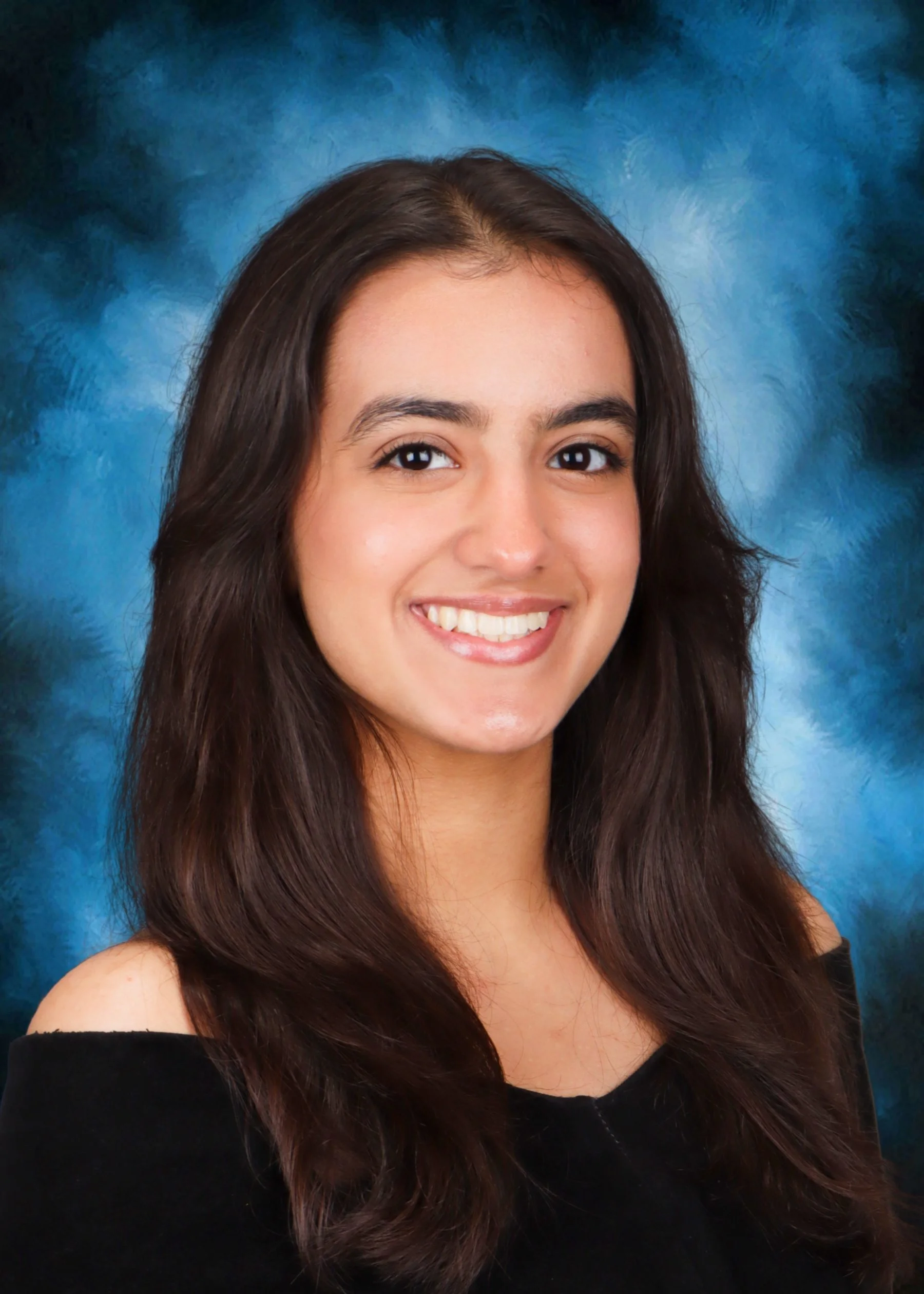
After facing gender discrimination inside and outside of school, Aadya was inspired to champion for women empowerment, particularly in career fields. As one of three girls in a computer science class of thirty students, she stuck out like a sore thumb. Though she tried hard to blend in and contribute in class, her male peers constantly spoke over her, tossed away her ideas, and laughed at her coding presentations. These experiences slowly began to diminish her love for Computer Science, a subject she had been passionate about since eighth grade.
Feeling isolated, Aadya confided in her computer science teacher, who shared stories of facing the same judgment while majoring in computer science. With her teacher’s constant mentorship through numerous lunch periods and after-school talks, Aadya began leading projects and regaining her voice. She also began speaking with girls in other advanced classes and realized the same patterns of gender-based exclusion existed in physics, calculus, and robotics. That was when the idea took root. She didn’t just want to heal from what she had experienced—she wanted to build a platform to ensure others had support long before they ever considered giving up.
In 2022, Aadya co-founded Empowerfly (Previously known as uEmpower), a 501(c)(3) nonprofit designed to bring mentorship and skill-building opportunities to girls across the world. Its mission: help young women grow into confident leaders in the career fields they dream of, and foster a culture of inclusivity and support from the start.
In just two years, Empowerfly grew from a single classroom initiative to a global movement with 900+ volunteers in 35 countries and 36 U.S. States. Since its launch, Empowerfly has positively impacted over 4,000 youth across six continents. Aadya’s leadership has brought a wide range of programming to life:
- ~40 global events connecting youth to 20+ women leaders in STEM, STEAM, business, and more. Speakers have included the Amoeba Sisters, Elise Pham, and Amy Wang. Attendees have gained internships, mentorship, and access to real career pathways.
- Created "Butterfly Blog," a platform to uplift the voices of girls, guiding ten writers to share their stories, like Yashvi in China.
- Launch of Research-Front, guiding 14 girls to publish 3 research papers on gender equity and representation.
- Donation of 1,000+ handwritten encouragement letters to girls in hospitals and schools globally.
- A pen-pal program with Kikaso Secondary School in Kenya, building connection and community across continents.
- Expansion to 30 chapters globally across India, Argentina, Morocco, and more, with events including letter drives, research projects, and speaker sessions.
- Partnerships with national and international organizations like Lean In Girls, Scleroderma United, Miss USA (Alma), Miss Teen USA (UmaSofia), and Miss Remaja Jawa (Naya)—together reaching 200,000+ individuals.
- Creation of Empowerfly’s ambassador network, which now includes 44 ambassadors working on youth-led campaigns like “Change The Mindset.”
- $1,500 raised in partnership with Her Future Coalition toward girls’ education in rural India.
- Pad Donation Drives, held by chapters, have supported over 200 individuals, addressing health and dignity needs alongside educational access.
In addition to Empowerfly, Aadya leads as the CEO of Dream Start Hub, a youth-focused accelerator supporting student leaders in building their own ventures. She has mentored over 50 students across four countries, helping them launch social impact initiatives and businesses that have reached 5,000+ individuals. To support their growth, she authored a series of workbooks on marketing, management, and partnerships, equipping young founders with practical tools to build, manage, and scale their ideas.
She has also used writing as a tool for advocacy. Invited to contribute to the She’s The First Girl Talk blog, Aadya authored two articles on gender equity and youth-driven change, reaching an audience of over 50,000 readers. Her passion for economic empowerment led her to conduct gender lens investing research under Citizens Bank, where she examined how financial institutions can better support women entrepreneurs. She used her findings to generate policy suggestions for banks, bridging research and real-world action. In her local community, she also co-leads Girls Who Code, creating a trusted, encouraging circle for younger students to explore coding alongside mentorship.
Headed to Stanford University, Aadya plans to continue advocating for equity in education, entrepreneurship, and tech, bringing the mission of Empowerfly and Dream Start Hub to new communities and scaling her impact further.
Aadya’s work is not limited to girls. She actively includes boys and male leaders in her programming, inviting them to participate in sessions and speak on building inclusive workplaces. Her goal is to raise a generation of leaders, regardless of gender, who lead with empathy, equity, and courage.
And the results are tangible. At her high school, enrollment in computer science classes by girls has increased by 300%. During her presidency in the Computer Science Honor Society, female membership rose by 250%. She continues to mentor girls one-on-one and guides many to start their own initiatives and chapters.
For every girl impacted by Empowerfly, the organization represents possibility. One especially powerful case is Kashish, a chapter leader in Bathinda, India. When Kashish expressed interest in joining a Technovation group, her parents discouraged her, believing her education should end soon and be followed by marriage. After Kashish shared her story with Aadya, she took action, personally speaking with Kashish’s parents to explain the purpose and impact of Empowerfly. While they didn’t initially agree, they allowed her to participate in the Research-Front cohort. That decision transformed Kashish’s path. She gained confidence, produced her first research paper, secured internships, and now prepares to attend college, all steps that once felt impossible.
This is what Aadya’s work means for those she serves. It’s not just about giving girls tools, it’s about giving them belief, voice, and a community that stands behind them. It’s about showing girls that they already are the leaders they’ve been waiting for, and building the space where they can begin leading, right now. And with every letter written, every startup launched, and every story shared, Aadya is proving that when girls are empowered early, they don’t just follow change, they lead it.
Headline Impact
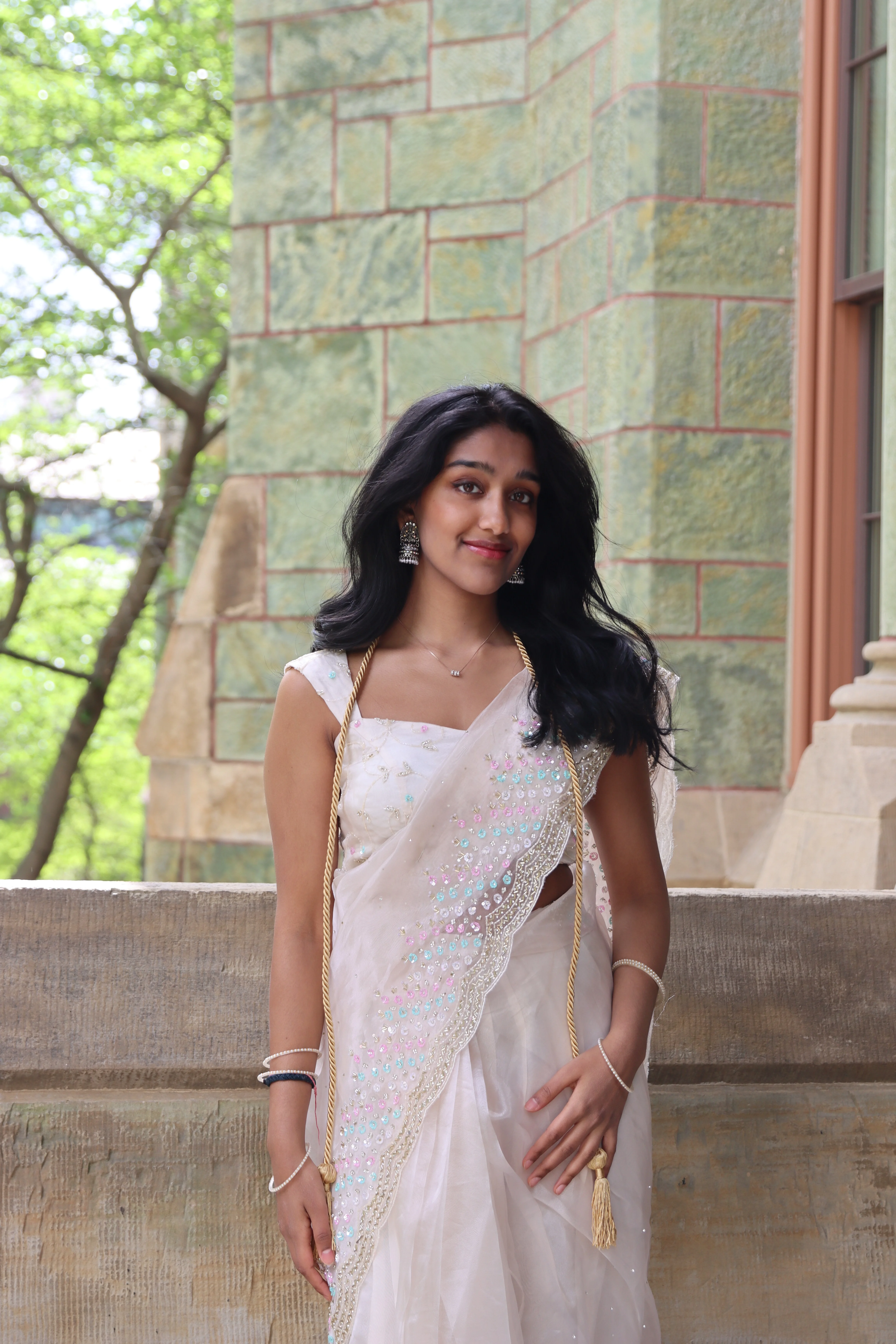
Bhavana Akula is a social impact entrepreneur working across the U.S. and India to redesign how youth are supported through education, health, housing, and justice systems. Through Empathy Bridge, she has delivered inclusive, disability-informed digital tools to over 200,000 students in India and is working with U.S. cities and counties to build coordinated, youth-centered systems that bridge service gaps.
At the University of Pennsylvania, she is a Benjamin Franklin Scholar, Public Service Fellow, 2023 Millennium Campus Fellow, and 2021 Coca-Cola Foundation Scholar. She was recognized as an Emerging Technologist for her work advancing mental health through AI-powered tools built with Empathy Bridge. Through her second organization, the Maaya Movement Institute, she raised $5,000 from Penn’s South Asia Center and Perry World House to launch the Initiative on Post-Coup and Transitional Governance, convening South Asia-focused international human rights experts to address how rights can be protected during moments of political instability. The focus of her work remains firmly on designing human-centered systems in a world increasingly driven by technology.
Before college, Bhavana organized voter outreach for March for Our Lives NJ, led regional activism efforts after Parkland, and built RepresentAsian, a youth advocacy network with over 300 volunteers. In high school, she was awarded the Princeton Prize in Race Relations Central/Southern NJ Certificate for her leadership on racial equity. Her work continues to connect policy, technology, and organizing with the goal of building systems that do not just serve youth, but are shaped by them.
Headline Impact
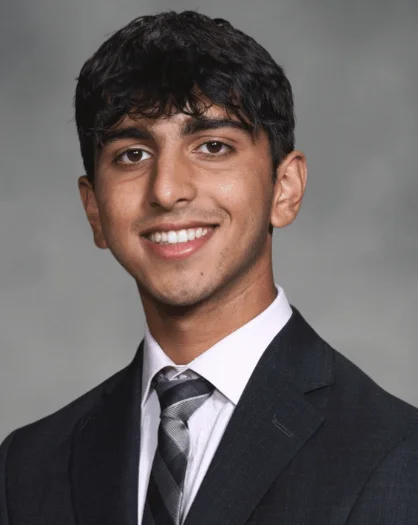
The work that is Aveer is completing in India is truly remarkable. It is not only beneficial for those in India but impacts thousands across the world. As a State Senator, addressing illiteracy across Pennsylvania is critical to our Commonwealth’s quality of life and economy. Understanding the importance of this issue, I am proud to support Aveer's efforts in addressing illiteracy in rural India, which are remarkable and are already having an impact. Specifically, Aveer has created a literacy course, called the essentials of Literacy, that is being used to teach 4,091 student literacy. In addition, his flagship programs, which include Indiafortheglobe, Empower and Serve, and others, coupled with the educational supply drives and literacy curriculum, have reached over 18,000 students. People impacted include children and adults in India who are unable to read, primarily those between the ages of 2 and 7. They were supported through the aforementioned program in many ways. Particularly, the essentials of literacy course gives a full, comprehensive guide into basic reading and writing skills along the lines of phonics, sentence structure, etc. The other program, Indiafortheglobe, installed thing such as water coolers and computers, servicing thousands of students in Mukka Maar and AK Trambadia programs. In terms of money, the organization has raised $20,631 from community fundraising. In all, Aveer are forging an innovative path in which thousands of Indian individuals will gain the education that they need to prosper- that is something worth immense recognition. As such, I fully support and believe he should be honored on the future minds 35 under 35.
Headline Impact
Why does this nominee belong on the Future Minds Under 25 list? Be specific.
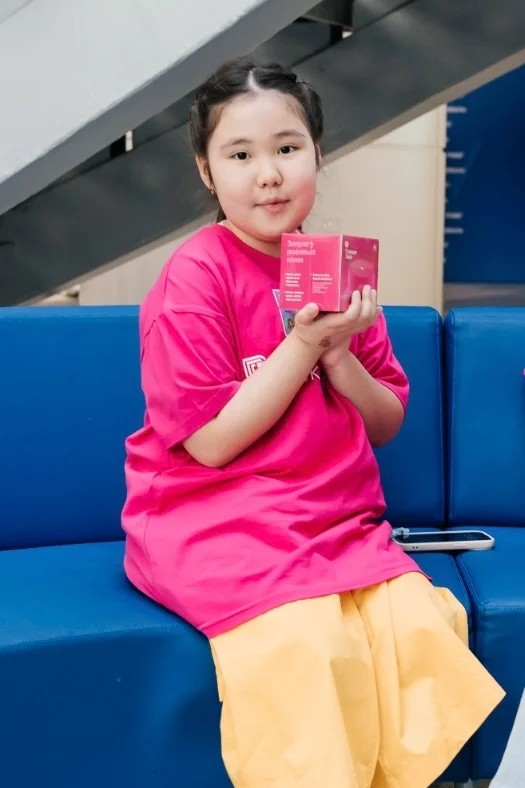
Aisha Yesset, a 10-year-old innovator from Kazakhstan, has already demonstrated exceptional leadership, creativity, and empathy through technology. As the youngest finalist of Technovation Girls 2024, Aisha co-created iHear, an educational app that helps children with hearing loss and cochlear implants develop speech and communication skills. Her motivation came from her best friend Aileen, who was born without hearing.
Aisha combines technology, art, and empathy — using programming, animation, and design to solve real social challenges at an early age.
How many people were impacted? And who were they?
The first users of iHear were children with cochlear implants in Kazakhstan, starting with Aileen and several families from local hearing rehabilitation centers.
The project has since inspired teachers, parents, and young coders across the country. Over 2000 people learned about iHear through media coverage, Technovation Global Summit presentations, and educational communities.
How were they supported?
Aisha and her teammate received mentorship through Technovation Girls Kazakhstan, under the guidance of ambassador Diana Tsoy. They were also supported by their families, teachers, and experts in speech therapy who helped test and improve the app’s learning materials.
Aisha continues her research within the state scientific project “Zerde”, exploring how children with hearing impairments adapt in schools.
How much money did you raise?
The iHear app was developed as a non-profit educational project.
While no money was raised directly, the team received in-kind support, mentorship, and recognition from the Technovation Global Summit hosted at the NVIDIA headquarters in Silicon Valley — selected among 15 finalist teams from 69 countries (out of 2300 teams from Kazakhstan alone).
What does this mean for the people you work with?
For children with hearing loss, iHear represents hope — a way to learn words faster, practice pronunciation, and connect with peers.
For young girls in STEM, Aisha’s story shows that age doesn’t limit impact. Her example encourages other kids in Kazakhstan and beyond to use technology to help people, not just for fun.
Case Study
One of the first testers of the iHear app was Aileen — Aisha’s childhood friend who inspired her to create the project.
Aileen was born deaf and received cochlear implants at the ages of two and three. During the first test, she eagerly used the app and, within just a few minutes, learned and understood six new English words.
She especially loved that the learning process was designed as a fun game with engaging animations and interactive cards.
Ailyn gave very positive feedback and said she wanted to keep using the app.
Later, other children with hearing impairments from kindergartens and schools also tested iHear — they were equally engaged, motivated, and showed strong learning progress.
Headline Impact
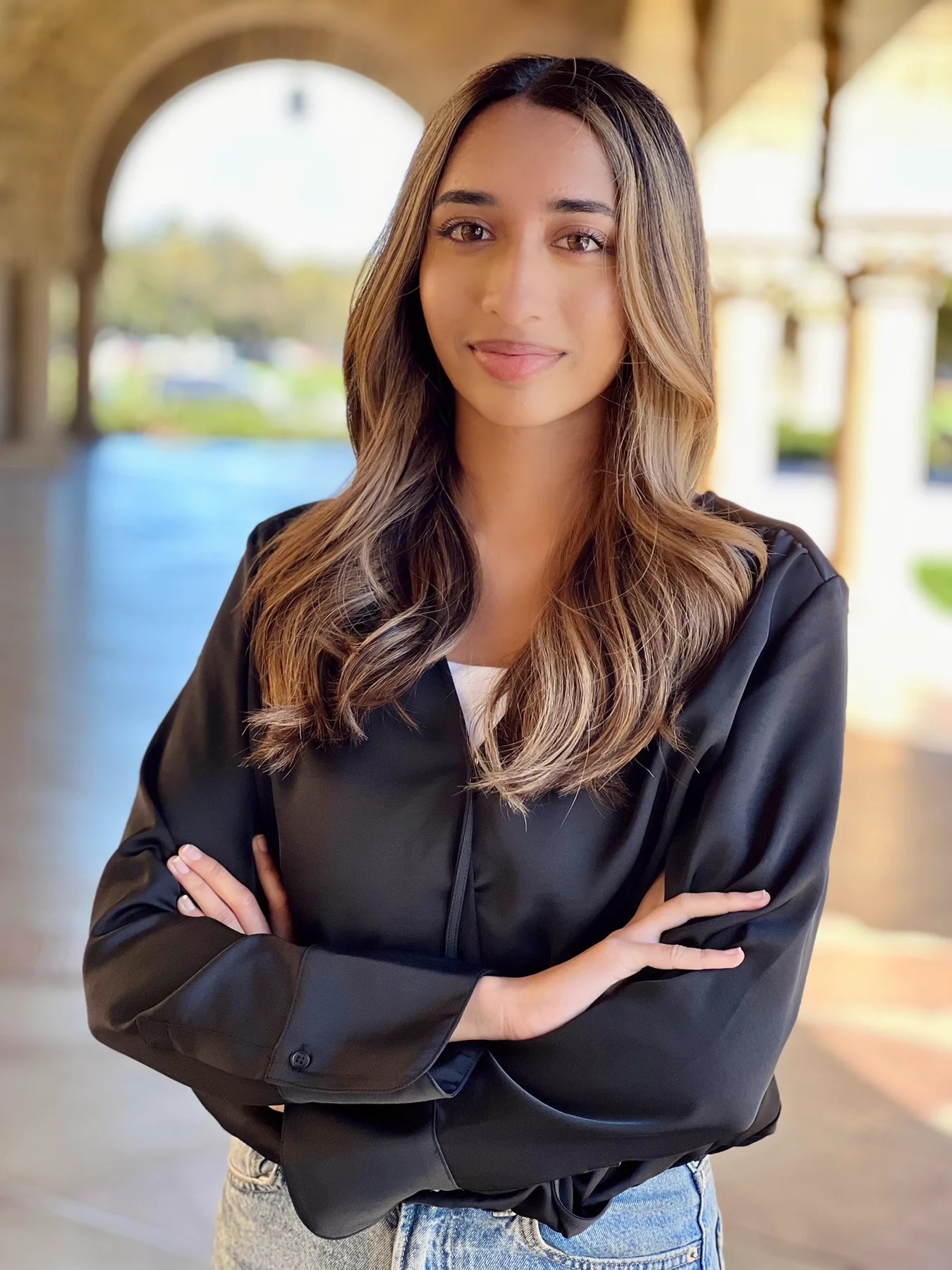
Mind4Youth, one of the world’s largest youth-led mental health organizations, makes teen mental health resources accessible for underserved youth. The organization has grown to over 22,000 youth volunteers in 70 countries, raised $430,000, and provided 48,000 self-care products. With 56 partnerships, including organizations such as the United Nations and Better Help, Mind4Youth has provided 1,800 free therapy sessions and started 96 chapters around the world. Sarah also serves as the first youth representative on the International Foundation for Gastrointestinal Disorders, advocating for policy with U.S. Representatives. She has been honored as a Top 3 Finalist for the International Children’s Peace Prize and a Top 20 Finalist for the Congressional Medal of Honor.
Headline Impact

I am the author of three books, including “13 Lessons I Wish Everyone Knew at 13 — A Guide for Teens for a Better Life.” I am the Founder of THAT TEEN, a platform for teens, and we have received brand ambassadorship applications from Sharjah (United Arab Emirates), Menifee (USA), Palawan (Philippines), Lake Elsinore (California, USA), Manchester (New Hampshire, USA), Flaxweiler (Luxembourg), NSW (Australia), California (USA), Elizabeth (New Jersey, USA), Columbia (South Carolina, USA), Leitchfield (Kentucky, USA), El Monte (California, USA), Lusaka (Zambia), Meerut (India), New York (USA), Union (New Jersey, USA), Benton (Kentucky, USA), New Delhi (India), and Lilongwe (Malawi), along with collaboration requests from teen organizations in Oviedo (USA), Connecticut (USA), Dublin (California, USA), Egypt + United Kingdom, and Aktobe (Kazakhstan). I am creating a social network for talented teens. My other achievements include being the Youth Judge 2025 for the Global Youth Awards (United Kingdom), Delegate to the First-Ever Virtual COP, Indian Delegate to RCOY 2024 endorsed by the Government of Sri Lanka, World Citizen Peace Ambassador, 2025 Être TED Education Talk Speaker, and Host of the 2024 UN CSC Delegate Stories. As Club 17 Coalition Leader, I mobilized 10 people for the ACT NOW Challenge. I am a founding team member of the Sport for the Pact Consultation Forum 2024, contributing to moderation and facilitation. I have served as a Notetaker, Contributor, and Speaker for TogetherForSDGs #YouthLead WPAY Contribution, represented Club 17 Impact Coalition in the Youth Working Group on the World Social Summit, and contributed to Youth Inputs to the Pact for the Future, the Youth Civil Society Consultation, and the World Summit of the Children. I am also a Global Change Ambassador at The Legacy Project, Student Ambassador at the International Youth Committee, and Public Relations Officer at SpeakForAfrica, impacting several countries in Africa. Additionally, I was a Delegate to IYC10: Informal Youth Summit of the Future, attended the Summit of the Future Virtual Consultation, served as IYC9 Delegate, attended the Asia-Pacific Youth Taking the Pact for the Future Forward Side Event, became Teen Advisor to BrandUP, UNFCCC COP30 Virtual Delegate, Institute of Economics and Peace Ambassador, and Observer to the Town Hall for the FFD4 Outcome Document. As the 2024 UNCSC Online Advocate, I helped make the hashtag #WeCommitAndActNow go viral globally. I have dedicated my days and nights to diplomacy, and every project has been done with all my heart.
Headline Impact
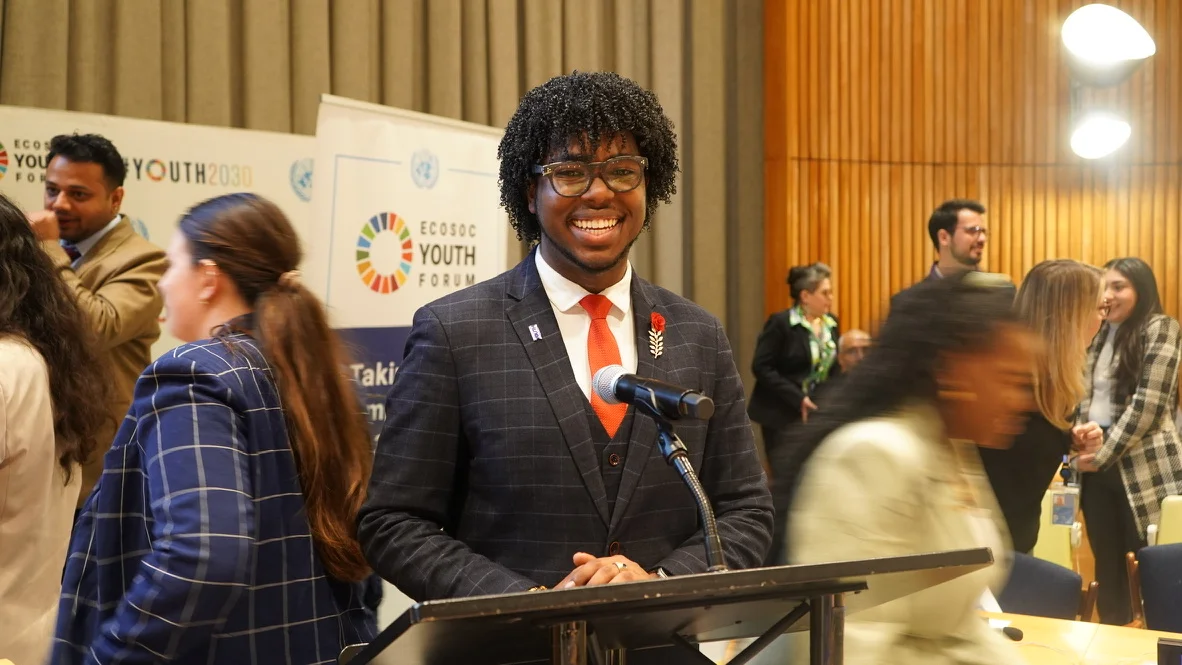
Nahjae belongs on the Future Minds Under 35 list because, while still under twenty-five and based in the United Kingdom, he is already shaping how institutions understand and act on child poverty and youth voice across continents. His work does not sit in a single programme; it sits at the point where global commitments become national decisions.
As Co-Chair of the International Youth Taskforce for CHOGM 2024, he led a process that brought together more than 300 youth leaders from all five Commonwealth regions and produced the 13th Declaration by the Young People of the Commonwealth. That Declaration now anchors the Commonwealth Youth Development Agenda, guiding work in governments representing over 1.5 billion young people. Its clauses on participation, equity and resilience are being used as a reference point in ministerial plans and regional strategies.
At UNICEF Office of Research–Innocenti, he has authored a landmark chapter of The State of the World’s Children 2025 on child poverty, the first time a young person has led a SOWC chapter. The chapter draws on the lived realities of children and adolescents who have faced hunger, disrupted schooling and precarious work, and it offers concrete guidance that more than twenty UNICEF country offices are now using to adjust social protection, education and community-level interventions. The resources for this work are channelled directly through governments and UN budgets; additional targeted support, such as a CIVICUS micro-grant, has enabled small states to pilot the approach.
A recent case from Jamaica illustrates his impact. Young people described rising prices, quiet withdrawal from school and the feeling that their experiences were invisible. Working with national officials and partners, Nahjae helped translate those accounts into a short policy package: a regular youth consultation on budgets, clearer criteria for hardship support, and a simple requirement to track who is being reached by age, gender and location. Within a year, youth were sitting in structured budget discussions, administrators had clearer guidance for emergency support, and decision-makers could see which communities were still being missed. For those young people, the change was not abstract. It meant staying in school, being invited into the room and seeing their reality reflected in the way systems responded.
Headline Impact