Recognizing educators who are transforming learning through innovative teaching approaches, creative thinking, and a commitment to student success.
Meet the outstanding educators recognized in this category for their dedication, innovation, and impact on the future of education.
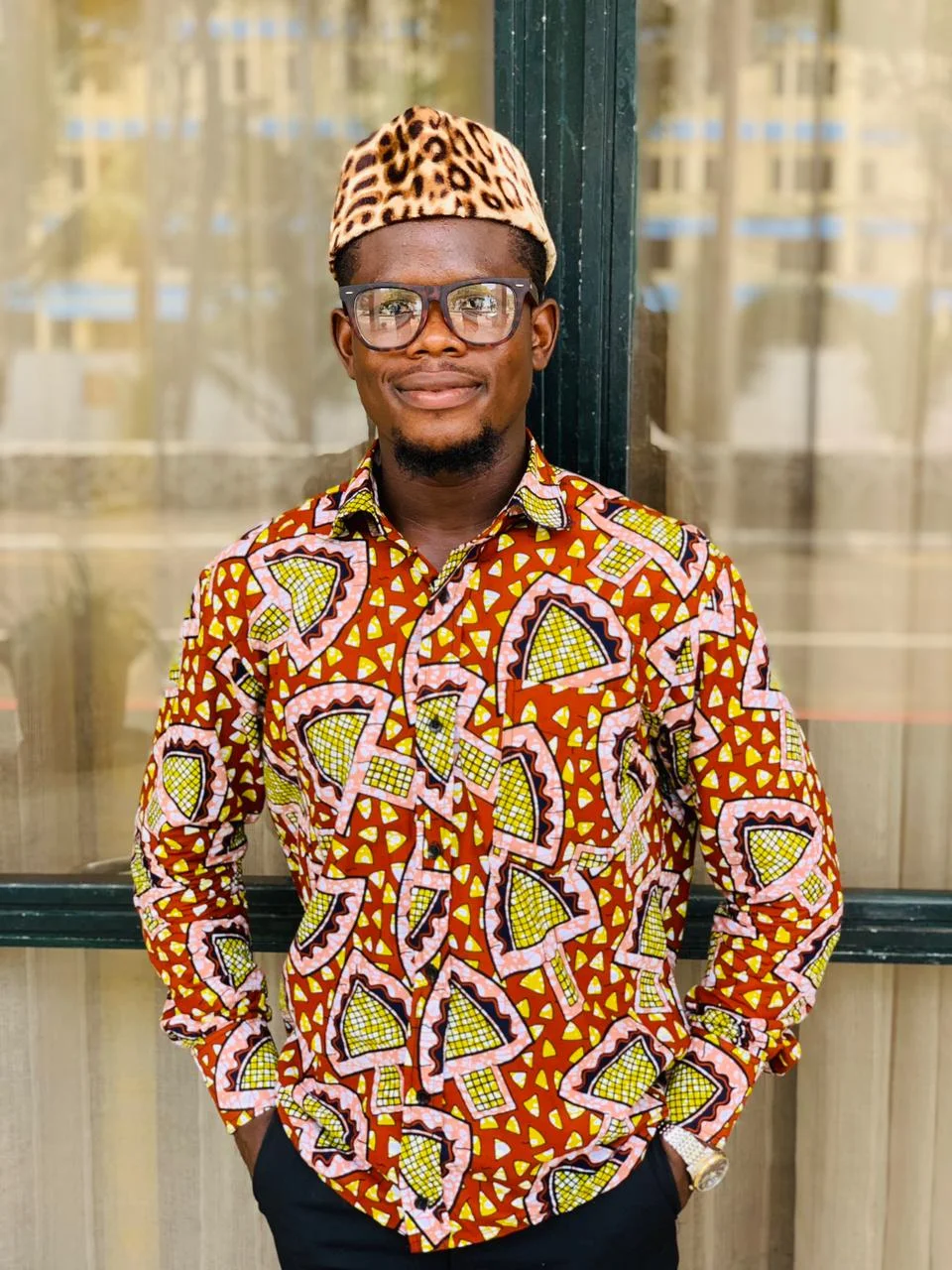
Steve W. Collins, a climate justice activist from Liberia and founder of the Youth Action for Transformation Network (YATN), is a powerful advocate for environmental sustainability, youth empowerment, and social transformation. His work has directly impacted over 5,000 young people, women, and marginalized communities through climate education, advocacy, and grassroots initiatives. Through YATN, Steve has led projects focused on climate resilience, reforestation, and sustainable development. One of his most impactful initiatives is the Green Future Project, which has planted over 10,000 trees across deforested regions in Liberia. This initiative not only restores ecosystems but also provides economic opportunities for local communities through agroforestry. Additionally, his work has empowered youth through climate justice workshops, equipping them with the skills to advocate for policy changes and environmental conservation. Steve has successfully mobilized over $20,000 in funding from local and international partners to support climate education programs and community-based conservation efforts. His leadership has transformed the lives of young activists, enabling them to launch their own sustainability projects and influence policy dialogues. A case study of impact is the Coastal Resilience Project in West Point, Monrovia, where Steve led efforts to raise awareness about rising sea levels and initiated mangrove restoration efforts. This intervention helped protect local fisheries, ensuring food security and economic stability for hundreds of families. Steve’s vision for climate justice and youth-led transformation makes him a deserving nominee for the Future Minds Under 25 list. His work is not only changing lives in Liberia but also inspiring a new generation of climate leaders across Africa.
Headline Impact
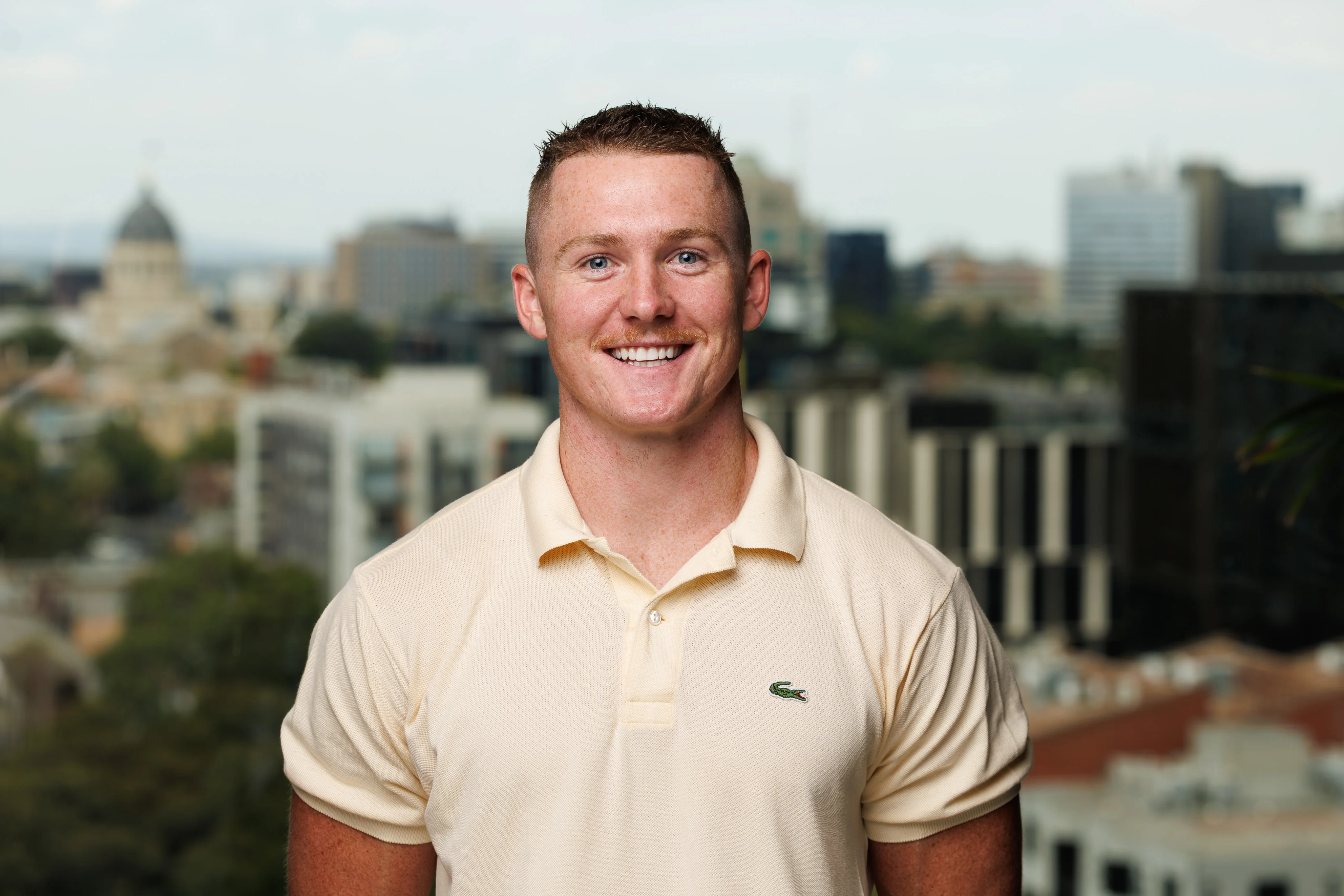
Clancy Lester is a passionate advocate for native bee conservation and biodiversity, using his platform BeesandBlossoms to educate a broad audience of over 20,000 followers on pollinator conservation, the threats they face, and how individuals can take action. His work goes beyond millions of views and awareness, he actively engages students, youth, and communities in hands-on conservation, empowering them through bee hotel building, pollinator-friendly gardening, and habitat protection. Clancy also fosters the integration Indigenous knowledge, encouraging the sharing and learning of First Nations perspectives on climate and the environment to highlight the importance of traditional ecological knowledge in conservation. As a STEM role model for regional youth, he inspires country students to see science as an accessible and exciting career path, sharing his journey from a small-town upbringing to scientific research. Recognized as an emerging leader, Clancy has participated in prestigious programs such as the Wattle Fellowship and the ABC Heywire Trailblazers Program, further amplifying his impact in science education and advocacy.
Headline Impact

Impact Scope: Sylvester Weekes has positively impacted over 10,000 individuals in Sierra Leone through his work with Operation 232. The individuals reached primarily include youth, women, and marginalized communities in urban areas like Freetown, where access to information and resources regarding climate change and plastic pollution is severely limited. Support Mechanism: Sylvester has uplifted these communities through a range of initiatives. He has launched awareness campaigns on the dangers of plastic pollution and improper waste disposal, created local recycling projects, and established the Environmental Club in schools, fostering student engagement in sustainability. Through Operation 232, he has introduced eco-friendly innovations, such as the production of reusable shopping bags from recycled plastics, providing both environmental and economic benefits. Funding and Resources: Under Sylvester's leadership, Operation 232 has successfully mobilized $150,000 through partnerships with NGOs, local businesses, and grants aimed at environmental sustainability. Significant collaborations have been formed with local schools and community leaders, which have enhanced the scope and depth of the initiatives. Significance: Sylvester's work has led to a notable improvement in the quality of life for community members. By educating the public on proper waste management and the importance of recycling, he empowers individuals with knowledge and skills that foster environmental responsibility. The initiatives have created greater awareness and resources, leading to systemic change within waste management practices in Freetown. Case Study: One notable success story involves a local high school, where Sylvester launched the Environmental Club. Through workshops and activities, students learned about climate change, plastic pollution, and sustainable practices. One student, Fatima, took this knowledge back to her community, organizing a local cleanup effort. This initiative brought together over 200 community members, resulting in a cleaner environment and heightened awareness regarding waste management. This transformation not only changed Fatima's perspective but also inspired others in her community to engage in sustainable practices, showcasing the ripple effect of Sylvester’s leadership. Overall, Sylvester Weekes stands out as a leader committed to creating meaningful change, and his recognition on the Future Minds Under 25 list would highlight the impact of his initiatives on the next generation.
Headline Impact
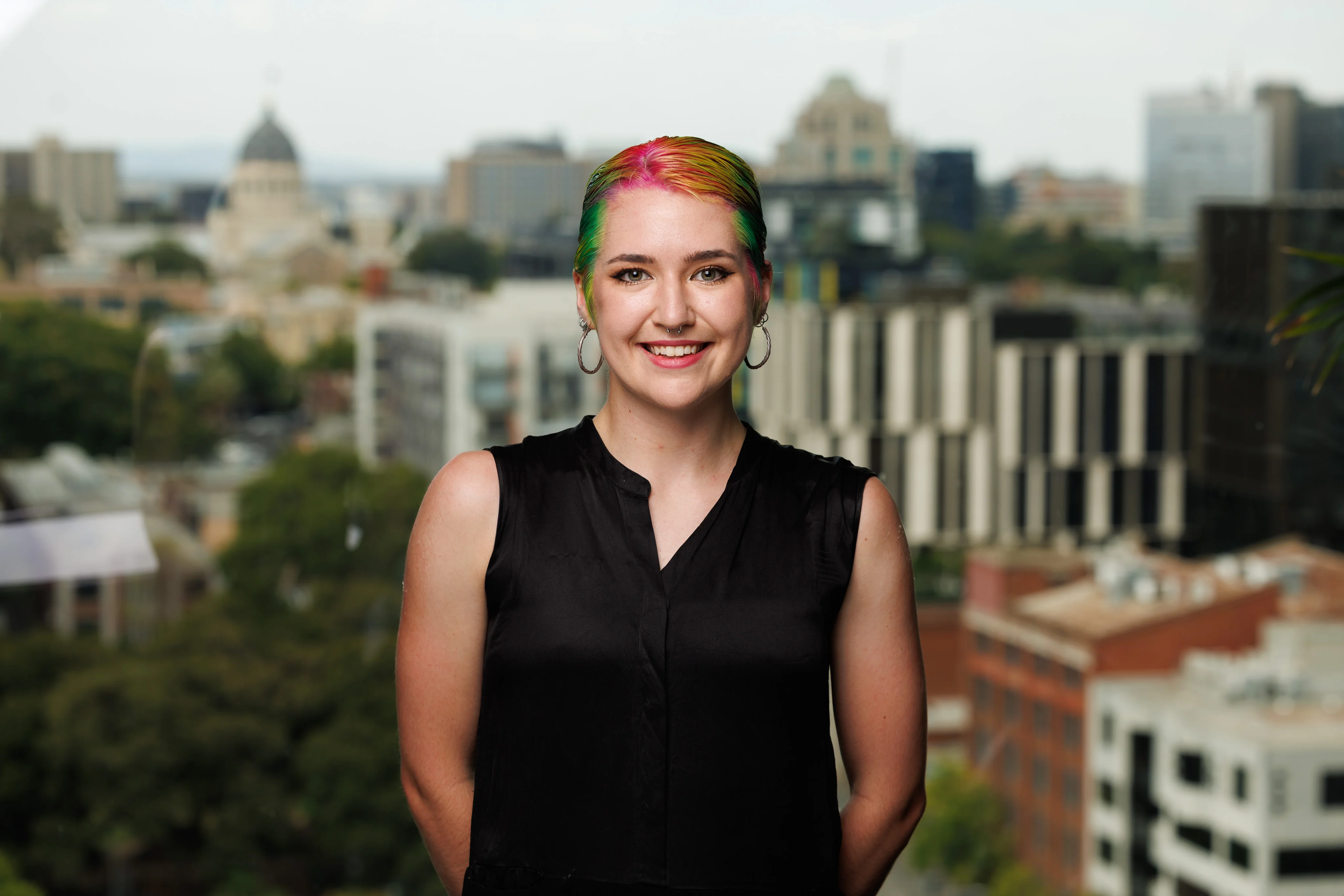
I'm a multidisciplinary artist, science communicator, and aspiring bioinformatician working at the intersection of science, storytelling, and social impact. I’ve had my creative science communication work featured nationally on ABC Radio National, where I co-created Thoughts That Bug Me, a whimsical and deeply researched radio series about insects that invited listeners into the overlooked complexity of the tiny creatures shaping our ecosystems. The show reached tens of thousands of listeners across Australia, sparking curiosity about entomology in unexpected audiences. As a drag artist, I perform acts about climate change in queer nightlife spaces, blending humour, data, and character work to make scientific issues accessible to communities often left out of traditional science communication. This work challenges the boundaries of who gets to talk about science, and who feels welcome to care about it. Currently, as a Biosecurity Commons intern, I collaborate with environmental modellers to develop decision-support tools that help government and researchers track emerging biological threats. Biosecurity is becoming increasingly urgent as our climate warms and invasive species and pathogens shift across landscapes. My work helps make these models usable and transparent, ensuring the science reaches the people who need it. Through the Wattle Fellowship, I’m developing a theatre show about climate risk and biodiversity loss, using clowning to explore how statistics, uncertainty, and ecological grief can be made emotionally legible and intellectually engaging. In parallel, my Master’s research investigates how machine learning, specifically, generative RNA models, can support drug discovery pipelines. I’m passionate about shaping an ethical and effective future for AI in biology, especially in how we design and evaluate these models in critical public health applications. This work matters because science doesn’t speak for itself: people do. And by making scientific futures feel personal, possible, and imaginative, I aim to bring more people into the conversation.
Headline Impact
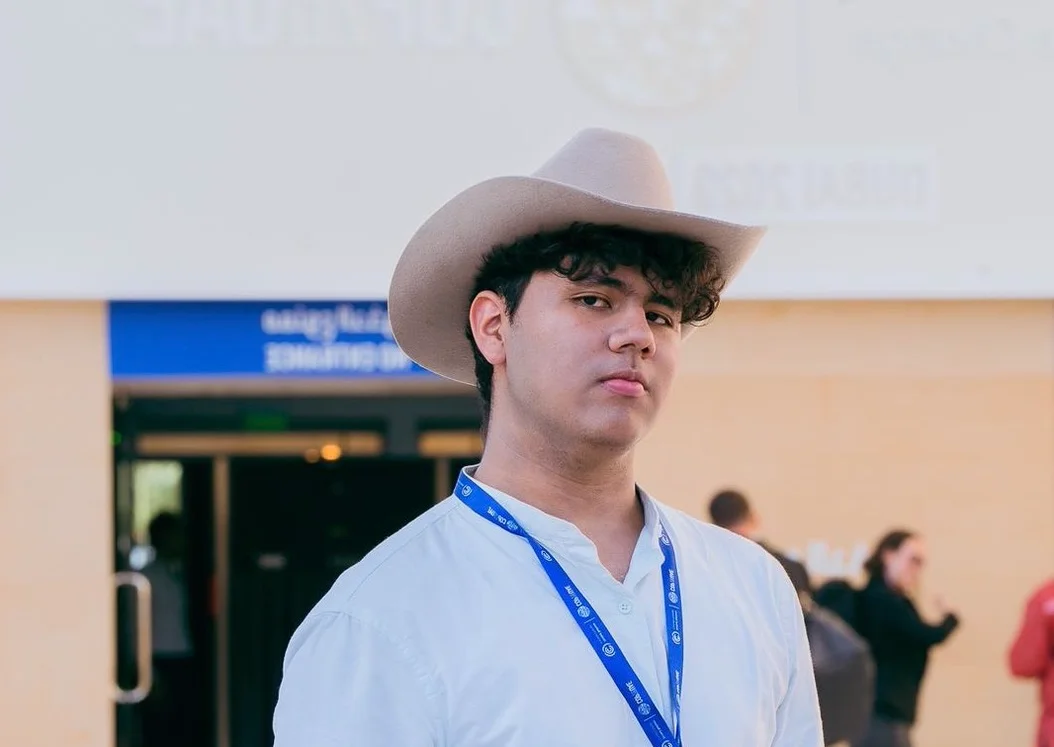
Juan David Amaya is a social entrepreneur, activist, and strategist. He is the Founder and Executive Director of Life of Pachamama, an organization committed to strengthening transgeographic narratives that connect generations, territories, and communities in the construction of a global movement for climate justice. Under his leadership, the organization has mobilized over 50,000 young people across Latin America and other regions of the Global South. In recognition of his work, he was named one of the 100 most influential Latinos in climate action by Agencia EFE and Sachamama.
Headline Impact
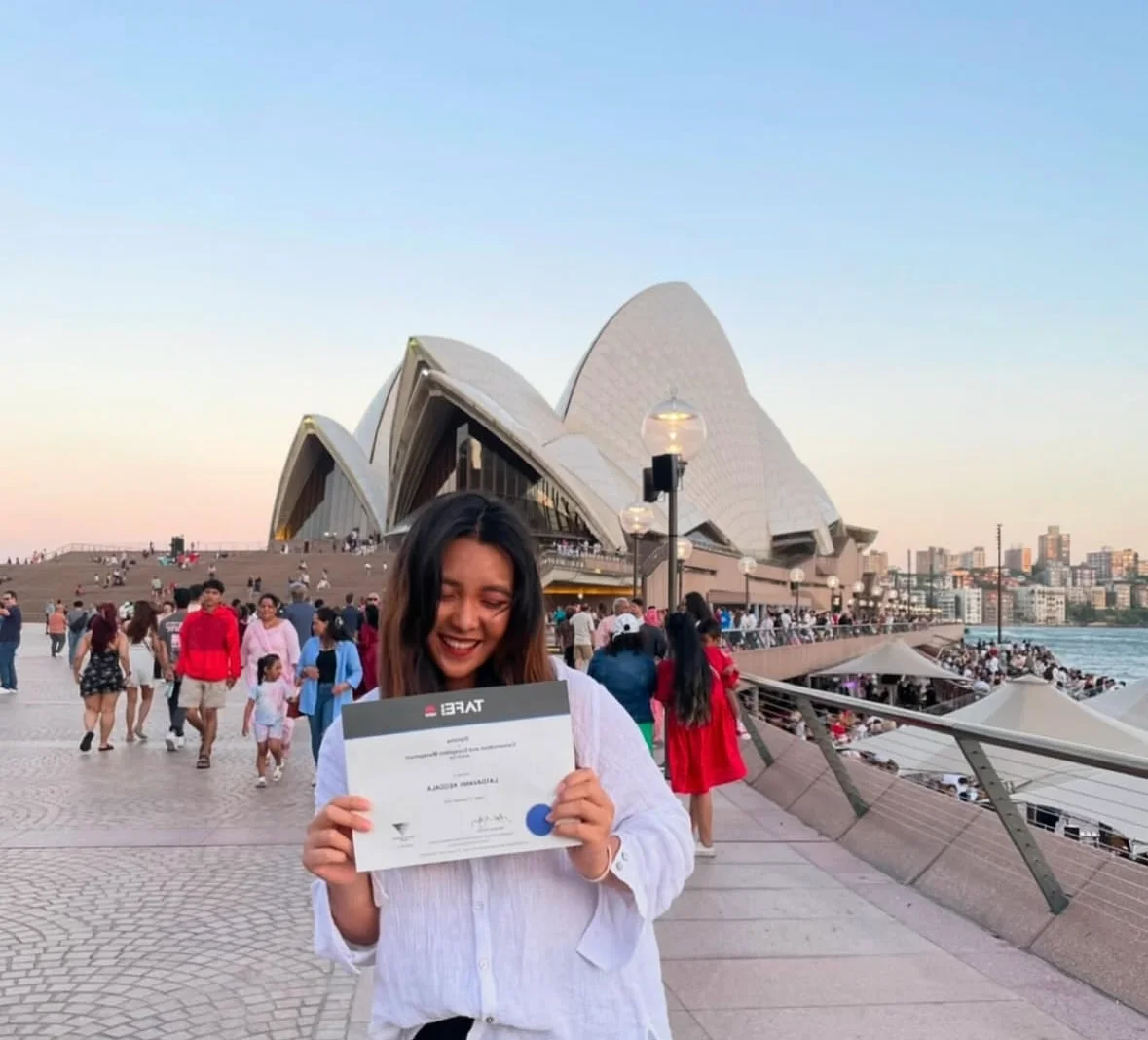
Ms. Latdavanh Keodala is the visionary founder of EAT YOUR CUPS, an innovative initiative producing edible cookie cups that help eliminate disposable cup waste in Lao PDR. This impactful work has garnered recognition from both the Lao government and One Young World. Additionally, she established NaturePreneur, a platform designed to inspire youth to engage in conservation, climate change initiatives, and poverty alleviation through sustainable development. Ms. Keodala’s mission focuses on conserving nature and alleviating poverty within her community. Through her efforts, she has reached over 2,000 individuals via social media and engaged young people aged 18 to 35 in workshops centered on environmental conservation and sustainable practices. By providing educational resources and critical thinking tools, she empowers participants to understand the links between environmental stewardship and economic growth. Although she has not yet raised funds for specific projects, her commitment remains steadfast. All initiatives are self-funded, showcasing her personal investment in her mission. She negotiates for free venue spaces and organizes impactful workshops, driven by her passion for inspiring the next generation to tackle climate change and promote sustainability. As a social entrepreneur and a recent graduate in conservation and ecosystem management, Ms. Keodala serves as a mentor, guiding youth on how to blend entrepreneurship with environmental conservation. Her work is cultivating a new generation of leaders dedicated to preserving biodiversity and fostering sustainable economic opportunities. A powerful example of her impact is a workshop participant who, inspired by Ms. Keodala’s vision, has committed to pursuing a career in conservation. This transformation highlights her ability to empower individuals while advancing the goals of conservation, climate action, and poverty alleviation. In summary, Ms. Latdavanh Keodala’s unwavering dedication to inspiring youth in conservation and sustainable development, along with her innovative approach to reducing waste, makes her an exemplary candidate for the Future Minds Under 25 list.
Headline Impact
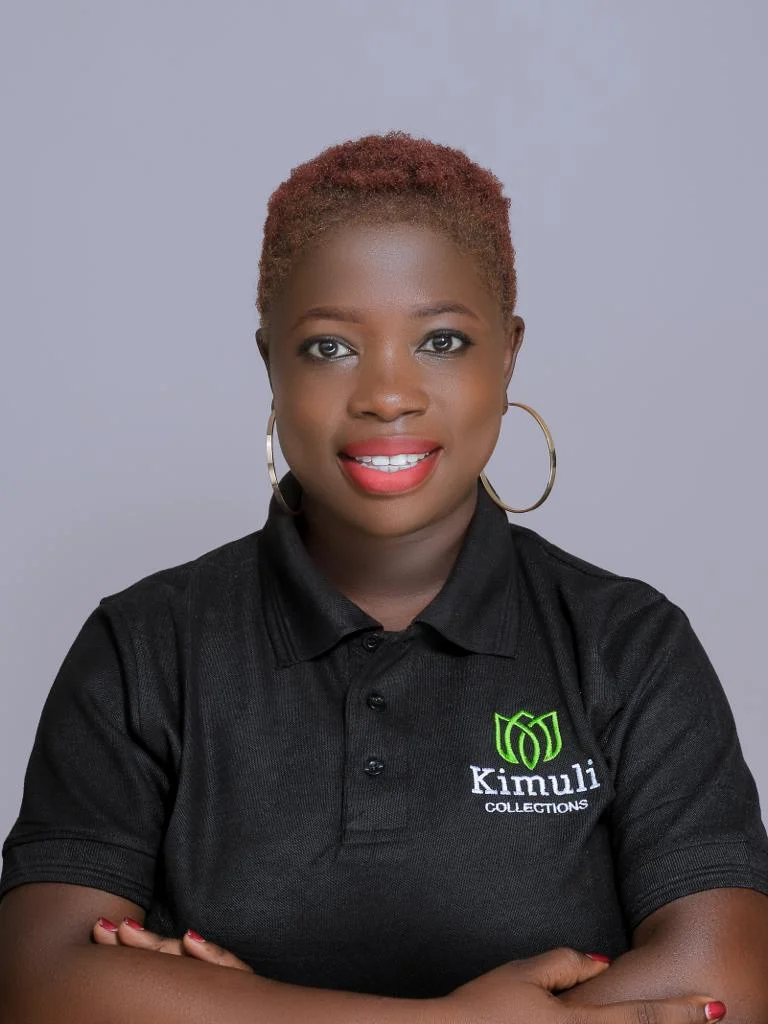
Juliet Namujju deserves to be on the Future Minds Under 25 list because she has transformed her lived experience into a powerful social and environmental movement that is changing lives and ecosystems across Uganda. As the founder and CEO of Kimuli Collections, Juliet has directly impacted over 1,900 individuals—including 400 persons with disabilities and 1,500 marginalized youth and women—by providing them with training, dignified employment, and a platform to participate in the green economy. She supports these groups by training them to upcycle plastic and textile waste into high-quality fashion and accessories. This empowers them with marketable skills while reducing plastic pollution in their communities. Juliet has raised over $50,000 through grants, , awards, and partnerships to fund training, provide equipment, and expand Kimuli’s production hubs. For the people she works with—especially those with disabilities—this means economic independence, social inclusion, and renewed dignity. Instead of being seen as a burden, they are now community changemakers, climate advocates, and skilled artisans contributing to a cleaner planet. A powerful case study is Rose Nakanjja, a deaf woman who was once unemployed and marginalized. Through Juliet’s mentorship, Rose became the lead tailoring trainer at Kimuli. Today, she trains dozens of others with disabilities, designs award-winning upcycled products, and represents the brand at national exhibitions—proof of how Juliet's model creates a ripple effect of empowerment. Juliet is not only innovating with waste but also redesigning what inclusion and sustainability look like in Africa. Her work addresses SDGs 8, 12, and 13—proving that young minds under 25 can lead bold, intersectional change. She is the future of climate justice, fashion, and inclusive innovation.
Headline Impact
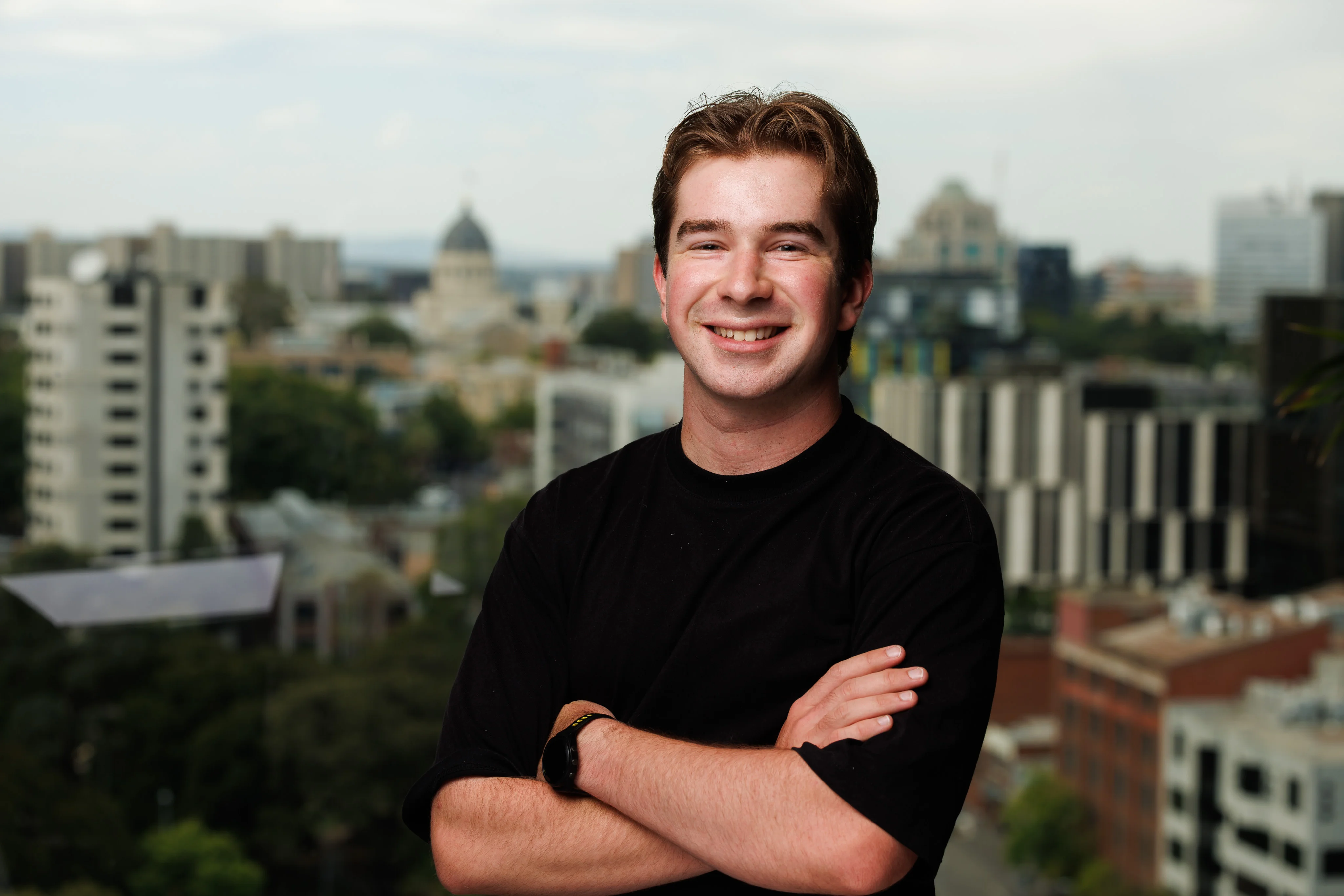
My work sits at the intersection of climate action, education, and systems change with institutions. I am is all about expanding his thinking and exposing himself to new perspectives. My work aims to combine my passions for engineering, politics and business to create a real impact and help Australia become a global powerhouse in sustainability and renewable energy. As part of the Wattle Fellowship, I am leading a project to help St Hilda’s College become one of the first net-zero university colleges in Australia—impacting the daily lives of over 250 students and staff. This includes conducting a comprehensive energy audit, funded through $15,000 in secured support, and authoring an evidence-based report to guide educational institutions in achieving net zero through practical, scalable strategies. I see this project and subsequent report not only as operational tools, but as educational blueprints to help young people understand their role in shaping a climate-resilient future. With the support of the Wattle Fellowship and St Hilda’s leadership, I hope to create a space for students to believe that climate action is still within reach—that through collaboration and courage, our generation can lead meaningful, measurable change. Recently, I began a new project, applying my work at the individual level - conducting a personal sustainability audit across both business operations and private life. Through this, we want to clearly communicate the facts around personal emissions, recommend smart and efficient solutions, and explore ways to offset impact—all with the shared goal of helping people and leaving the world better than we found it. However, environmental work is only one of my areas of passion: during my time as Secretary of the student club, I introduced the first known gender-equitable leadership model at an Australian college - co-presidents of different genders. I authored this change in the student club's constitution, reshaping the decision-making structures to promote different perspectives, diversity and shared power. Beyond campus, I raised over $5,500 for cystic fibrosis research by running 67 laps in honour of my family. Over 25 people ran with me, showing me the incredible feelings associated with community-led change.
Headline Impact

Growing up in Badagry, a rural community in southern Nigeria, I experienced firsthand how lack of basic climate education leads to environmental degradation, devastating waste, plastic and air pollution. In my community, improper plastic and waste disposal leads to catastrophic floods, deforestation accelerates desertification, and prolonged droughts disrupt agriculture. These challenges are existential threats that shape the lives and livelihoods of those around me.
In marginalised communities, including mine, the lack of climate education hinders meaningful climate action and an eco-friendly lifestyle. Even though the effects of these pollutions and detrimental at every point of its lifecycle, its convenience has blinded us to the harm it causes and the poor decisions that leads to it. Having observed this vast knowledge gap that demands attention, I became a climate leader to change the narrative through my humanitarian efforts and my artistry of spoken word poetry for advocacy.
Through my projects such as "Plant A Tree for Life & Climate Education," my work is focused on bridging the knowledge gaps and proffering solutions to waste and plastic pollution, tree planting for reforestation, clean-up drives for land and ocean conservation, and promoting youth empowerment through the 3Ps of programme, pet project, and poetry.
As of March 2025, I have implemented over 20 climate education and youth development projects, impacting over 17,500 young people directly with my team across local government development areas in Lagos over the last three years. I am empowering youths with relevant knowledge, expertise, and tools geared towards tackling environmental issues in their schools and communities.
Through my large-scale social impact projects, I have trained teens and empowered youths to develop tide-turning solutions geared towards tackling global issues like deforestation and plastic pollution accelerating the climate crisis. Some of these participants within our network have utilised the climate education and opportunities provided to embark on personal pet projects, launch organisations, businesses, products, and campaigns, while some others have co-created solutions from previously existing projects. All of these have been geared towards community tree planting, waste to wealth, and climate amelioration.
Additionally, we are leveraging technology for multimedia presentations, songs, poetry, and fine art for students to comprehend easily and get involved in the action to halt the triple planetary crisis (climate change, pollution and biodiversity loss). We also offer hands-on mentorship through Tour Badagry and Dawn Project Competition, which is hands-on and minds-on idea-to-solution incubator for young people.
Headline Impact
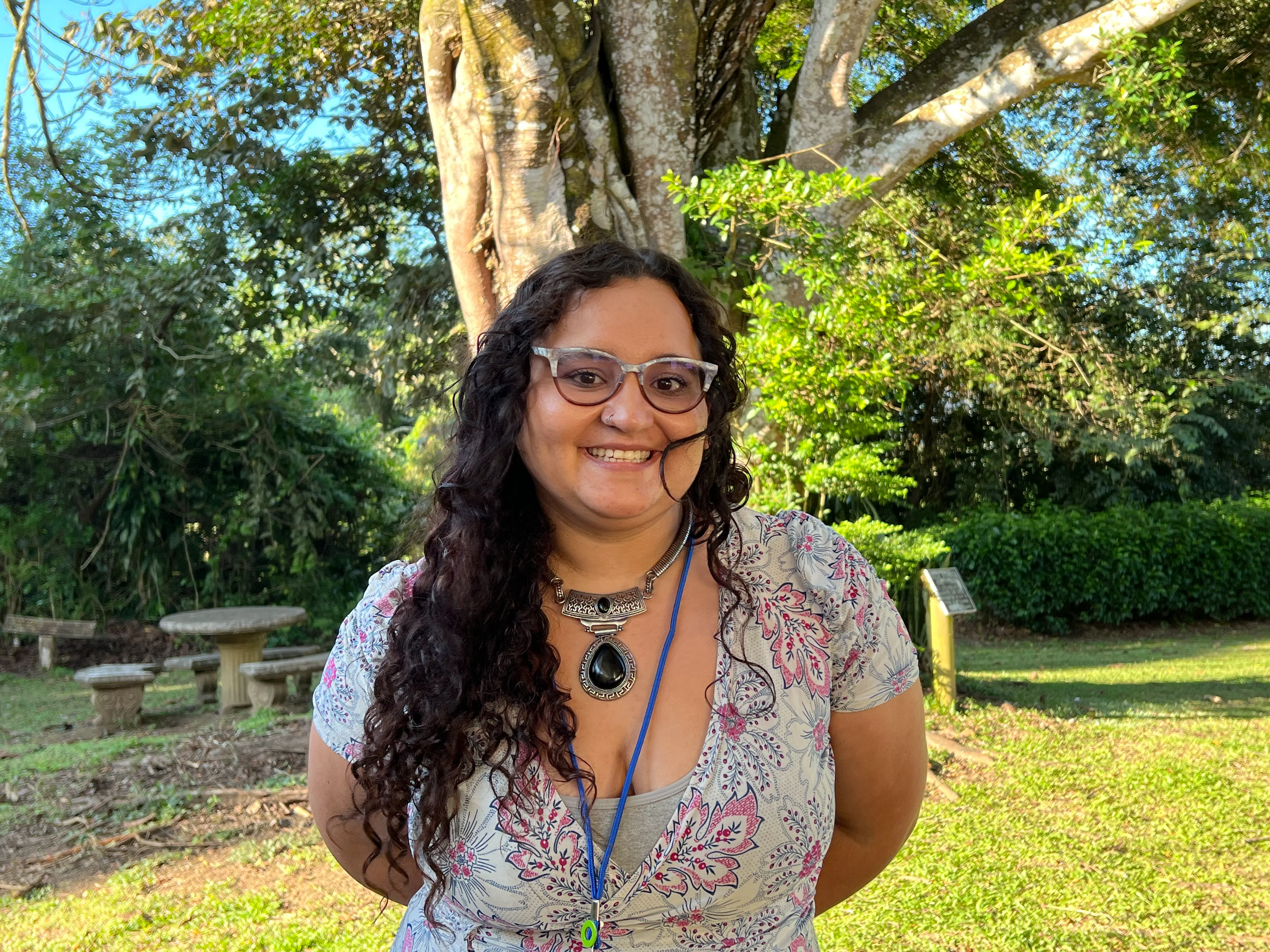
- Through our work in 2023–2025, we directly impacted more than 1,200 individuals, primarily youth, women, and frontline community leaders across Colombia. These included children, adolescentes and youth, specially Afro-descendant and Indigenous communities, environmental defenders, and local advocates involved in climate justice and biodiversity conservation.
- They were supported through a combination of capacity-building workshops, technical training, and strategic advocacy spaces. We facilitated access to key global decision-making platforms (such as UNFCCC, UN Water conference, advisory oponion, Escazú and CBD processes), strengthened their processes and actions through regional coordination, and provided tools to influence climate policies and NDCs, and integrate intergenerational justice into policy frameworks. We also supported some of those leaders funding their participation to key spaces such as CBD and UNFCCC COPs. We had co-lead the LCOY Colombia for the last three years where we had invited decision-making people and strengthened capacities through dialogue and capacity-building sessions.
- Through partnerships we mobilized approximately USD $180,000, which was allocated toward coordination, training sessions, youth leadership development, production of knowledge materials, and participation in key summits such as CBD COP16, the last three UNFCCC COPs, Escazú Agreement processes, among other local advocacy spaces, such as the NDC updating process with intergenerational approach coordinated with the environmental minister.
- It means greater visibility, legitimacy, and influence in shaping climate and biodiversity agendas. Many of the people we work with often face systemic barriers to participation. Our work has enabled them to not only be present in decision-making spaces but also to lead with informed proposals grounded in lived experience and regional realities. Our goal is not the represent them, but to allow them to participate directly on those spaces. We want to rebalance the power in the decision-making processes.
- Case Study 1: Shaping NDC 3.0 with Children, Adolescents, and Youth
In 2024–2025, we supported a groundbreaking participatory process to influence the update of Nationally Determined Contributions (NDCs) by integrating the voices and proposals of children, adolescents, and youth. This initiative allowed young people from diverse territories to identify how climate change impacts their lives and what solutions they envision. Through facilitated dialogues, technical workshops, and regional coordination, we enabled them to co-create proposals that are now being considered for Colombia’s NDC 3.0. This effort represents a meaningful shift toward generational justice and institutional recognition of children and youth as agents of change, not just beneficiaries.
Case Study 2: A National and Global Movement for Youth Leadership in Climate and Biodiversity
In alliance with multiple partners, we mobilized over 250 young leaders for the Colombian National Summit on Children, Adolescents, and Youth for Biodiversity and Climate Change. This space fostered collective learning, dialogue, and political positioning. From this group, nearly 30 participants were supported to engage in COP16, both in the Green and Blue Zones, where they delivered interventions, exhibited projects, and engaged with global actors. One outstanding participant was later selected to represent the process at COP29 in Azerbaijan, amplifying the voices of Colombian youth in the heart of the UNFCCC negotiations. This case shows how investing in youth participation at the national level can lead to influence on the global stage.
Headline Impact
%20Vajirakachorn.webp)
I created an organization called Between The Roots (BTR) which has become a community that has brought together many young people to create change. BTR is unique as it works with environmental innovations that may be unfamiliar to many, and increases access to them. I was inspired to establish BTR after researching renewable energy for my IB Primary Years Programme exhibition, which led me to discover a renewable energy source called biogas balloons. These balloons provide a substitute for cooking gas by breaking down food waste with bacteria from animal dung inside a latex balloon. The result is biogas that can be used for cooking and the byproduct is fertilizer, creating a zero-waste system that saves the environment from greenhouse gas emissions from food waste and saves money due to not needing to buy cooking gas.
Thus, BTR’s first project was related to biogas balloons. I knew that biogas balloons were so valuable in that they provided sustainability for both the environment and people’s lives, but many rural villages could not afford them. So my goal was to increase access to the balloons by decreasing the financial burden for rural villagers. I came up with a model where BTR would fundraise to shoulder the initial cost of the balloon and allow villagers to make repayments in small installments for up to two years.
This steamrolled into BTR’s second project, which focuses on a different environmental innovation called biochar. It is made from carbonizing organic matter, giving it a high carbon content and porosity, which increases soil water retention, benefitting crops in the face of droughts, which is extremely relevant to the current heatwave in Thailand. Through BTR, I educate youth on biochar and its positive effects on rice growth and increase access to biochar by distributing my patented biochar carbonization chamber to farming communities.
BTR is thus something that I am extremely proud of because it truly came from me and my discoveries from a young age. BTR allows me to help people by doing what I love, and being able to bring people in my community together to help other people who need it is something really valuable to me. I believe that through increasing access to environmental innovations such as biogas balloons and biochar, BTR and I will be able to produce positive impacts for communities and the environment in the long run.
After pitching my idea to my school, I created a BTR club there, which became a community of over 30 young people in less than a month. I led various fundraisers to raise 200 USD to shoulder the initial cost of a biogas balloon as promised. I planned and led a trip through a national park area to Pa Deng Village in Phetchaburi, Thailand. I met with the village chief whom I had contacted previously and the 30 of us got to work in helping a family get access to a biogas balloon. After an hour of intense digging and building under the scorching Thai heat, BTR put together a biogas balloon for the household. I was extremely pleased at the impact this had on the BTR volunteers. Despite the sweat and fatigue, they were all smiling because they knew that they had accomplished something for someone in need, meaning BTR managed to encourage youth to assist those in need. Moreover, the village chief thanked me and said that one hour of our labor today provided this family with ten years' worth of energy. With 200 USD, this family would have cooking gas for a decade, instead of having to spend money buying tanks of cooking gas every month. In these ten years, they can save way more than the 200 USD cost of the balloon, elevating their lives to become more sustainable, through BTR’s advocacy of biogas balloons. This project has gained the attention of many, getting published in the Bangkok Post and receiving a grant after I applied for the IB Global Youth Action Fund.
But the positive change continues beyond there. BTR has made strides to assist agricultural communities through its second project, using biochar. I educated my own community on the importance of agriculture in our lives, and on the scientific properties of biochar by organizing a trip to a rice paddy in Suphanburi, Thailand. We tried our hands at being farmers and quantified the effects of biochar by growing rice in regular soil in one half of the paddy, and in soil with biochar in the other half, both not watered for 18 days to stimulate drought conditions. The backbreaking labor had a profound impact by communicating the significance of working together to maintain the livelihoods of those who are supplying us with food. I then explained the benefits of biochar to my team, explaining its highly porous nature and increasing water retention.
We were delighted to see the impacts of biochar on the rice. The rice grown in regular soil wilted due to the lack of water, compared to the rice grown in biochar which flourished despite the harsh conditions. Following this, I performed financial calculations and learned that droughts cause farmers to lose about 50% of their profits due to planting fewer crops or buying additional groundwater to supply their crops, however, with the help of biochar, they only lose around 25% of their profits as the biochar retains water content in the soil and aids in crop survival. This helps farmers maintain economic stability even in the face of the climate crisis, and this use of environmental innovations was recognized by the National Science and Technology Development Agency of Thailand as I was named finalist of the 27th Junior Science Talent Project.
More recently, I was also one of the recipients of the 2024 Diana Award, which is "the most prestigious accolade a young person aged 9-25 years can receive for their social action or humanitarian work".
Headline Impact

Beniamin is one of the most widely recognised and influencial young leaders in international climate and energy diplomacy. He joined the Global Renewables Alliance, an organisation representing the unified voice of the renewable energy industry, as one of the first employees and he was pivotal to organisation’s campaign that resulted in adoption of the landmark tripling renewables target at COP28 in Dubai.
Beniamin led strategy and partnerships for the 2024 Global Renewables Summit, the first-ever convening of heads of state and ministers that discussed efforts for scaling up renewable energy technologies. The event organised in partnership with Bloomberg Philanthropies, the European Commission, Kenya, Barbados and 25 top global energy companies featured numerous new pledges and announcements: UK government’s financial commitment to the Green Grids Initiative; launch of 3 new reports by IRENA, BloombergNEF and Climate Analytics; and plan from global utilities to collectively invest over $116 billion annually in clean infrastructure.
He was the co-founder of the SDG 7 Youth Constituency, an international network of young professionals in energy sector that in two years grew to 1,200 members and total reach of the network exceeded 50,000 people. In this role, he advocated for more youth participation in legislation and decision-making, which resulted in funded participation of 15+ young people in COPs and other UN conferences, creation of 10+ paid consultancy positions for youth across the UN system, and establishment of youth councils at IRENA and several UN agencies.
Beniamin also led organisation of Student Energy Summit 2023, the world’s largest youth-led conference on energy transition that brought together 600 youth from 130 countries in the margins of COP28. Over the course of three days, the event engaged more than 100 speakers, including 13 current and former ministers. More than 20,000 youth engaged in virtual activities and $10,000 was disbursed as grants to seed fund initiatives pitched at the summit.
Beniamin’s thought leadership and policy impact has been recognised by the United Nations, where he serves as the Youth Climate Advisor to the UN Secretary-General, and numerous other agencies and organisations, where he serves as youth council member or ambassador, including the European Commission and IRENA.
Headline Impact